


![Refrigerated Truck Sizes Explained: How Many Pallets and Cartons Fit From 1 Ton to 10 Ton Refrigerated truck sizes are the first thing to sort out before you book anything in Dubai, and it's the detail most people get wrong. Ask three suppliers and you'll get three answers, usually just a ton rating and nothing else. The real question is how many pallets or cartons you can fit before the floor runs out, and at what temperature they'll travel. Quick answer: As a rough guide, a 1-ton truck takes about 2 pallets, a 3-ton takes 5 to 6, a 5-ton takes 8 to 10, a 7-ton takes 10 to 12, and a 10-ton takes 12 to 16 Euro pallets. Chilled cargo must stay at or below 5°C and frozen cargo at -18°C or colder. Why tons alone can mislead you Tonnage only tells you how much weight a truck can legally carry. It doesn't tell you how much space you have. Say you're moving fresh chicken in cartons. The truck can easily carry the weight, but you might still need a bigger truck because there isn't room for all the pallets. Now flip it. You're moving canned drinks in a chiller. Floor space is fine, but the pallets are so heavy that you hit the payload limit first. That's why we always ask two things: how many pallets, and roughly how heavy is each one. Once Haulier Transport has those two numbers, choosing a size takes about 30 seconds. First, what counts as a pallet? Most cold-chain cargo in the UAE moves on a Euro pallet, which measures 1200 mm × 800 mm. If your goods are on standard pallets like this, the numbers below apply to you. If you use larger or odd-sized pallets, tell us, because it can change the count by a pallet or two. Refrigerated truck sizes at a glance: pallets and cartons Insulated walls and the fridge unit at the front take up room, so a refrigerated truck fits fewer pallets than a dry truck of the same size. Truck size Euro pallets (approx.) Medium cartons (approx.)* Typical use 1 ton 2 80 to 100 Restaurant orders, bakery, small catering, pharmacy runs 3 ton 5 to 6 250 to 300 Supermarket top-ups, café chains, multi-drop deliveries 5 ton 8 to 10 380 to 480 Wholesale, hotel supply, bigger catering jobs 7 ton 10 to 12 480 to 580 Distributor runs, cross-emirate deliveries 10 ton 12 to 16 580 to 770 Bulk FMCG, warehouse-to-warehouse, port pickups How to read the refrigerated truck sizes table The carton numbers assume cartons around 40 × 30 × 25 cm, stacked about 1.5 m high on each pallet. That works out to roughly 48 cartons per pallet. Smaller cartons fit more, bigger ones fit fewer. Treat the table as a planning guide, not a promise, because exact internal body sizes vary. We confirm the real dimensions when you book. Going through each size 1 ton: the small, nimble one This is your city-delivery truck. It fits about 2 pallets, or around 80 to 100 cartons loaded loose. It's ideal for restaurants, bakeries, flower shops, pharmacies and small catering orders with several stops in Dubai traffic. It's also the easiest to park and unload in tight areas like Deira, Karama or Business Bay. The trade-off is that it fills up fast, so if you're near 3 pallets, go up a size. 3 ton: the everyday workhorse For many businesses this is the sweet spot. You get about 5 to 6 pallets, or roughly 250 to 300 cartons. It's big enough for a serious supermarket or café-chain delivery but still easy to handle on city roads. If you deliver to several places in one morning, this is usually where we'd start. 5 ton: when volume starts to matter At 8 to 10 pallets (roughly 380 to 480 cartons), a 5-ton is what most wholesalers and hotel suppliers settle on. It handles a full day's stock for a busy kitchen group, or a mixed order for several outlets, without a second trip. 7 ton: the in-between size People skip this one, but it's useful when 5 ton is slightly too small and 10 ton feels like too much. Expect about 10 to 12 pallets. It suits distributors running between Dubai, Sharjah, Ajman and Abu Dhabi. 10 ton: the big one This is your bulk mover, at around 12 to 16 pallets depending on the body length. It's the usual pick for warehouse transfers, port and Jebel Ali pickups, and large FMCG orders. One thing to watch: on the biggest trucks you'll often hit the weight limit before you fill the floor, especially with dense loads like canned goods, bottled drinks or frozen meat. Temperature: the part you can't get wrong Picking the right size is only half the job. The truck also has to hold the right temperature for the whole trip, and in a Dubai summer that's a real test. Chilled goods: at or below 5°C. This covers dairy, fresh meat, chicken, juices and cooked food. Trucks are typically set between 0°C and +5°C. Frozen goods: at or below -18°C. This covers frozen meat, seafood, ice cream and ready meals. Freezer trucks often run -18°C down to -22°C for a safety margin. Pharmaceuticals and some specialty items: commonly +2°C to +8°C. Always follow your product label. Mixed loads: carrying both chilled and frozen needs a dual-zone (two-compartment) truck. One shared space means one of them is at the wrong temperature. A tip for any customer: pre-cool the truck before loading. Loading warm goods into a warm box makes the fridge unit fight to catch up, and that's when temperatures drift. Loading tips that save you money (and stock) Don't fill to the roof. Cold air needs to circulate around the cargo. Blocked airflow creates warm spots even when the dial shows the right number. Leave a small gap between pallets and the walls, and never block the fridge unit at the front. Load the first drop nearest the door. Every time the door opens, cold air escapes. Tell us if you need a tail-lift. If you have no forklift or dock at the drop-off, a tail-lift makes unloading pallets simple. Keep door-open time short, especially between noon and 4 pm in summer. How to choose your size in 3 quick steps Count your pallets, or divide cartons by 48 for a rough pallet count. Check the weight per pallet. Once pallets go past about 800 kg each, you may hit payload limits sooner. Match the temperature. Chilled, frozen, or both, and whether you need dual-zone. Still comparing options for refrigerated truck rental Dubai businesses rely on? Send us your product, quantity and delivery locations. Sometimes the honest answer is that a smaller truck will save you money. Frequently asked questions How many pallets fit in a 3-ton refrigerated truck? Typically about 5 to 6 Euro pallets, depending on the body length and the fridge unit. How many pallets fit in a 10-ton refrigerated truck? Usually 12 to 16 Euro pallets. It varies with the body length, and heavy cargo may reach the weight limit first. What's the difference between a chiller truck and a freezer truck? A chiller truck keeps goods cold but not frozen (around 0°C to +5°C) for dairy, fresh meat and produce. A freezer truck holds -18°C or colder for frozen goods. Is a reefer truck the same as a refrigerated truck? Yes. "Reefer" is just industry shorthand for a refrigerated truck. What temperature should a refrigerated truck hold in Dubai? Chilled food at 5°C or below and frozen food at -18°C or below, in line with the Dubai Municipality Food Code. Can I carry frozen and chilled goods together? Only in a dual-zone truck with separate compartments. A single-temperature truck can't safely do both. How many cartons fit on one pallet? It depends on carton size, but around 48 medium cartons (40 × 30 × 25 cm) is a good rule of thumb at about 1.5 m high. Can I hire a truck with a driver, and for how long? Yes. You can book with a driver on a daily, weekly or monthly basis. Ready to book? Once you've matched your load to the refrigerated truck sizes above, the rest is easy. Tell us what you're moving, how many pallets or cartons, and where it's going. Call or WhatsApp [phone number] or ask Haulier Transport for a quote on refrigerated truck rental Dubai customers trust for chilled and frozen loads.](https://hauliertransport.com/wp-content/uploads/2025/03/Refrigerated-Truck-Rental_Haulier-Transport-1-e1747831945391-1170x627.webp)
Refrigerated truck sizes are the first thing to sort out before you book anything in Dubai, and it’s the detail most people get wrong. Ask three suppliers and you’ll get three answers, usually just a ton rating and nothing else. The real question is how many pallets or cartons you can fit before the floor runs out and at what temperature they’ll travel. As a rough guide, a 1-ton truck takes about 2 pallets, a 3-ton takes 5 to 6, a 5-ton takes 8 to 10, a 7-ton takes 10 to 12, and a 10-ton takes 12 to 16 Euro pallets. Chilled cargo must stay at or below 5°C and frozen cargo at -18°C or colder.
Why tons alone can mislead you
Tonnage only tells you how much weight a truck can legally carry. It doesn’t tell you how much space you have. Say you’re moving fresh chicken in cartons. The truck can easily carry the weight, but you might still need a bigger truck because there isn’t room for all the pallets. Now flip it. You’re moving canned drinks in a chiller. Floor space is fine, but the pallets are so heavy that you hit the payload limit first. That’s why we always ask two things: how many pallets, and roughly how heavy is each one. Once Haulier Transport has those two numbers, choosing a size takes about 30 seconds.
First, what counts as a pallet?
Most cold-chain cargo in the UAE moves on a Euro pallet, which measures 1200 mm × 800 mm. If your goods are on standard pallets like this, the numbers below apply to you. If you use larger or odd-sized pallets, tell us, because it can change the count by a pallet or two.
Refrigerated truck sizes at a glance: pallets and cartons
Insulated walls and the fridge unit at the front take up room, so a refrigerated truck fits fewer pallets than a dry truck of the same size.
| Truck size | Euro pallets (approx.) | Medium cartons (approx.)* | Typical use |
|---|---|---|---|
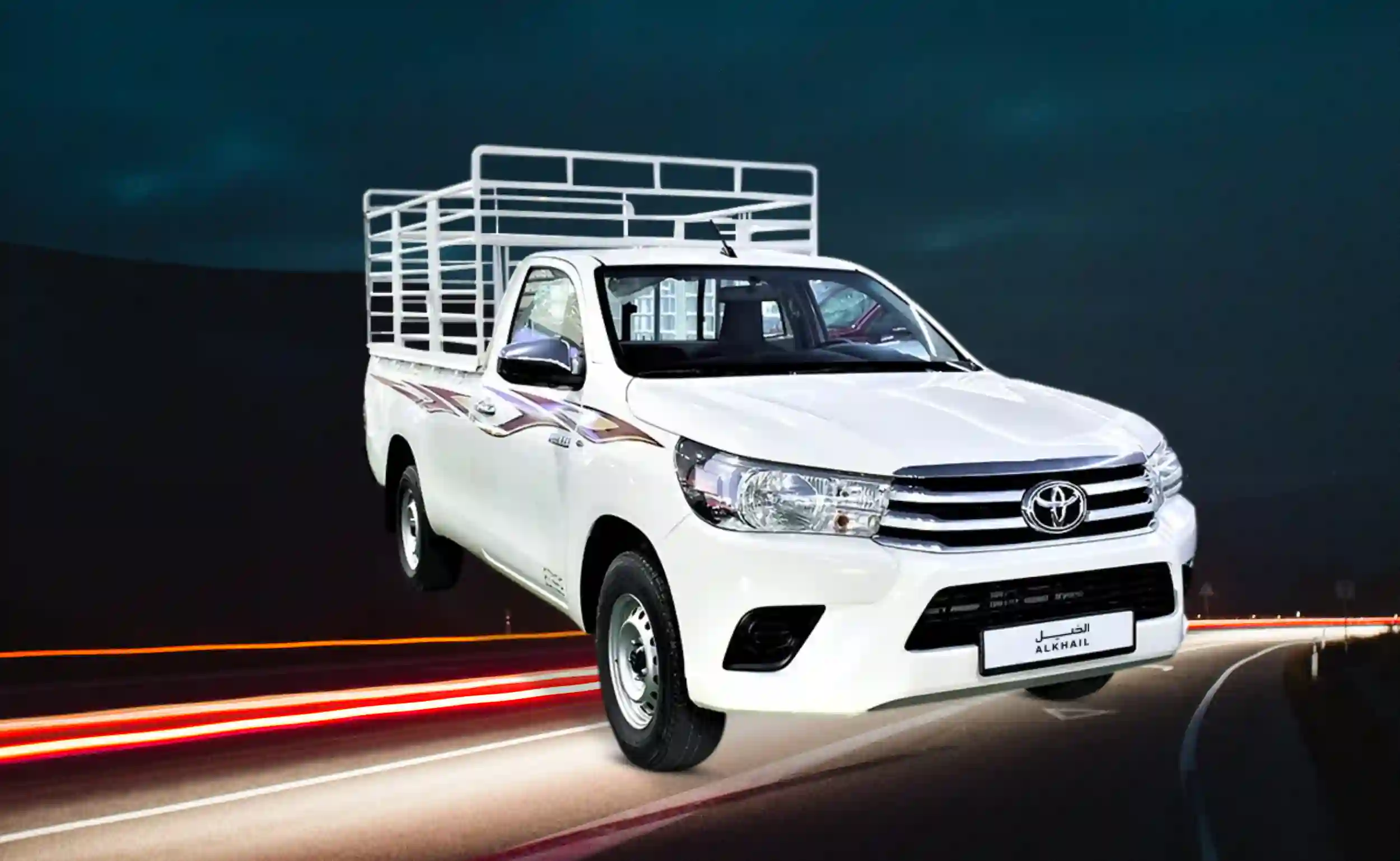
| 1 ton | 2 | 80 to 100 | Restaurant orders, bakery, small catering, pharmacy runs |
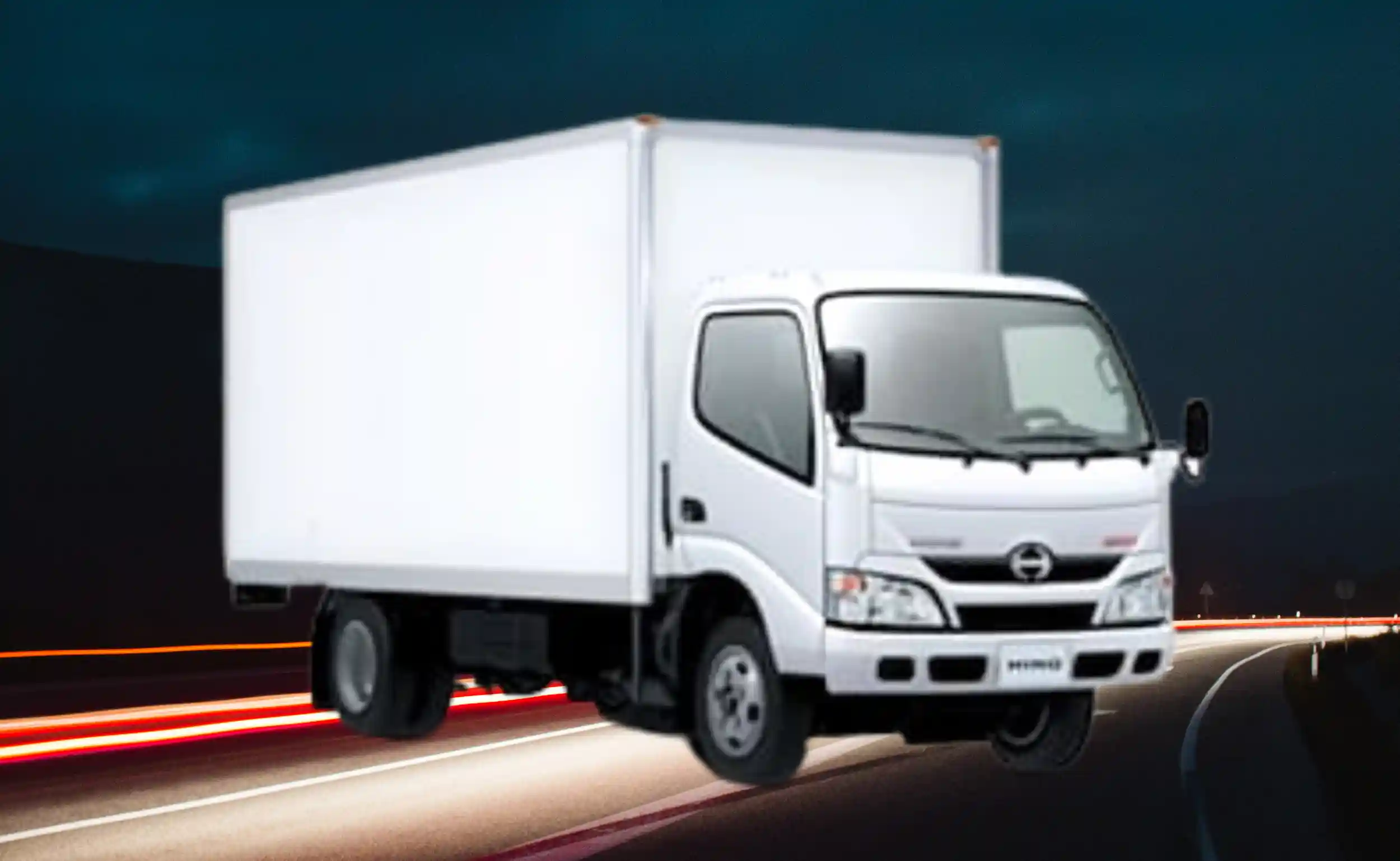
| 3 ton | 5 to 6 | 250 to 300 | Supermarket top-ups, café chains, multi-drop deliveries |
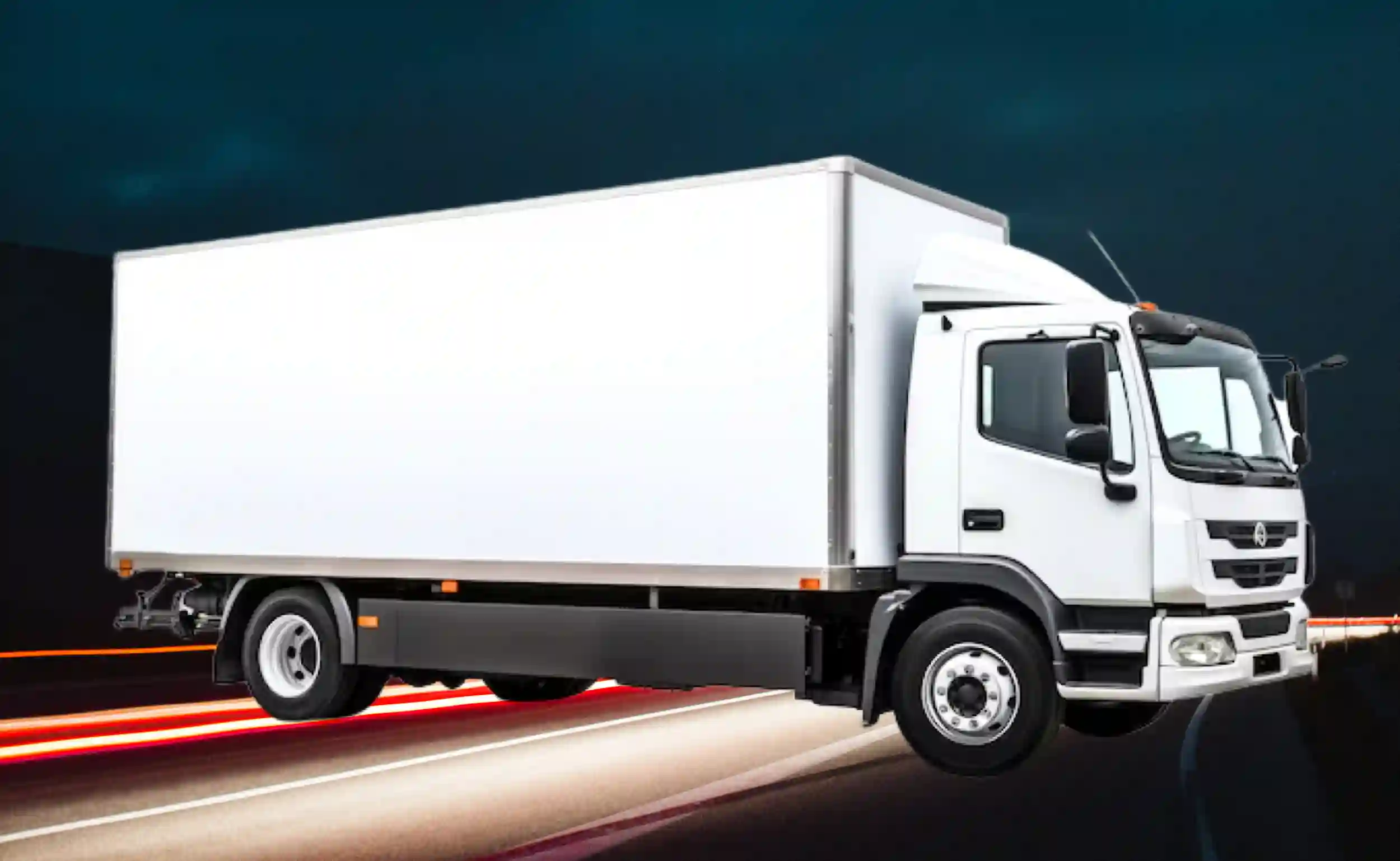
| 5 ton | 8 to 10 | 380 to 480 | Wholesale, hotel supply, bigger catering jobs |
| 7 ton | 10 to 12 | 480 to 580 | Distributor runs, cross-emirate deliveries |
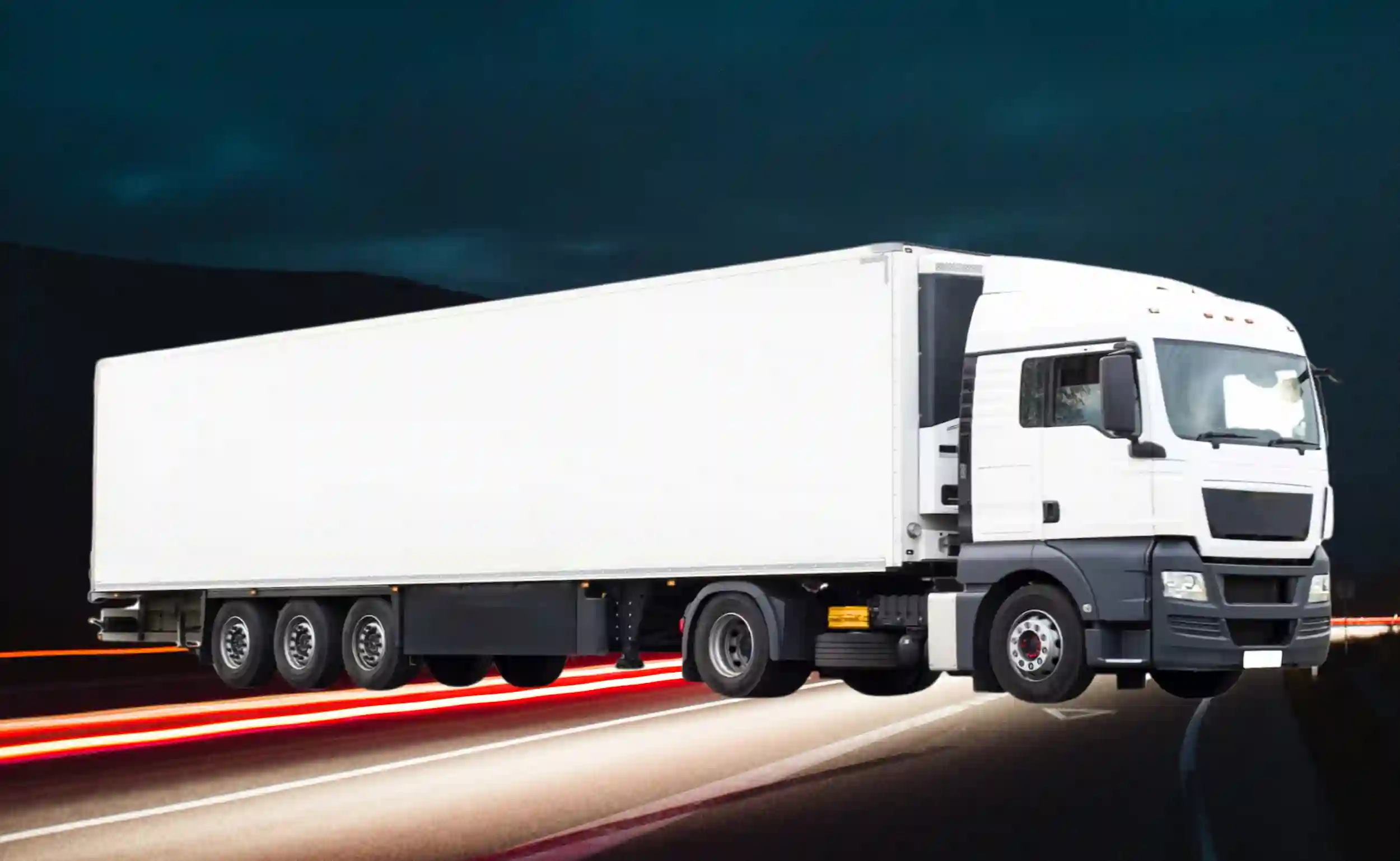
| 10 ton | 12 to 16 | 580 to 770 | Bulk FMCG, warehouse-to-warehouse, port pickups |
How to read the refrigerated truck sizes table
The carton numbers assume cartons around 40 × 30 × 25 cm, stacked about 1.5 m high on each pallet. That works out to roughly 48 cartons per pallet. Smaller cartons fit more, bigger ones fit fewer. Treat the table as a planning guide, not a promise, because exact internal body sizes vary. We confirm the real dimensions when you book.
Going through each size
1 ton: the small, nimble one
This is your city-delivery truck. It fits about 2 pallets, or around 80 to 100 cartons loaded loose. It’s ideal for restaurants, bakeries, flower shops, pharmacies and small catering orders with several stops in Dubai traffic. It’s also the easiest to park and unload in tight areas like Deira, Karama or Business Bay. The trade-off is that it fills up fast, so if you’re near 3 pallets, go up a size.
3 ton: the everyday workhorse
For many businesses this is the sweet spot. You get about 5 to 6 pallets, or roughly 250 to 300 cartons. It’s big enough for a serious supermarket or café-chain delivery but still easy to handle on city roads. If you deliver to several places in one morning, this is usually where we’d start.
5 ton: when volume starts to matter
At 8 to 10 pallets (roughly 380 to 480 cartons), a 5-ton is what most wholesalers and hotel suppliers settle on. It handles a full day’s stock for a busy kitchen group, or a mixed order for several outlets, without a second trip.
7 ton: the in-between size
People skip this one, but it’s useful when 5 ton is slightly too small and 10 ton feels like too much. Expect about 10 to 12 pallets. It suits distributors running between Dubai, Sharjah, Ajman and Abu Dhabi.
10 ton: the big one
This is your bulk mover, at around 12 to 16 pallets depending on the body length. It’s the usual pick for warehouse transfers, port and Jebel Ali pickups, and large FMCG orders. One thing to watch: on the biggest trucks you’ll often hit the weight limit before you fill the floor, especially with dense loads like canned goods, bottled drinks or frozen meat.
Temperature: the part you can’t get wrong
Picking the right size is only half the job. The truck also has to hold the right temperature for the whole trip, and in a Dubai summer that’s a real test.
- Chilled goods: at or below 5°C. This covers dairy, fresh meat, chicken, juices and cooked food. Trucks are typically set between 0°C and +5°C.
- Frozen goods: at or below -18°C. This covers frozen meat, seafood, ice cream and ready meals. Freezer trucks often run -18°C down to -22°C for a safety margin.
- Pharmaceuticals and some specialty items: commonly +2°C to +8°C. Always follow your product label.
- Mixed loads: carrying both chilled and frozen needs a dual-zone (two-compartment) truck. One shared space means one of them is at the wrong temperature.
A tip for any customer: pre-cool the truck before loading. Loading warm goods into a warm box makes the fridge unit fight to catch up, and that’s when temperatures drift.
Loading tips that save you money (and stock)
- Don’t fill to the roof. Cold air needs to circulate around the cargo. Blocked airflow creates warm spots even when the dial shows the right number.
- Leave a small gap between pallets and the walls, and never block the fridge unit at the front.
- Load the first drop nearest the door. Every time the door opens, cold air escapes.
- Tell us if you need a tail-lift. If you have no forklift or dock at the drop-off, a tail-lift makes unloading pallets simple.
- Keep door-open time short, especially between noon and 4 pm in summer.
How to choose your size in 3 quick steps
- Count your pallets, or divide cartons by 48 for a rough pallet count.
- Check the weight per pallet. Once pallets go past about 800 kg each, you may hit payload limits sooner.
- Match the temperature. Chilled, frozen, or both, and whether you need dual-zone.
Still comparing options for refrigerated truck rental Dubai businesses rely on? Send us your product, quantity and delivery locations. Sometimes the honest answer is that a smaller truck will save you money.
Frequently asked questions
How many pallets fit in a 3-ton refrigerated truck?
Typically about 5 to 6 Euro pallets, depending on the body length and the fridge unit.
How many pallets fit in a 10-ton refrigerated truck?
Usually 12 to 16 Euro pallets. It varies with the body length, and heavy cargo may reach the weight limit first.
What’s the difference between a chiller truck and a freezer truck?
A chiller truck keeps goods cold but not frozen (around 0°C to +5°C) for dairy, fresh meat and produce. A freezer truck holds -18°C or colder for frozen goods.
Is a reefer truck the same as a refrigerated truck?
Yes. “Reefer” is just industry shorthand for a refrigerated truck.
What temperature should a refrigerated truck hold in Dubai?
Chilled food at 5°C or below and frozen food at -18°C or below, in line with the Dubai Municipality Food Code.
Can I carry frozen and chilled goods together?
Only in a dual-zone truck with separate compartments. A single-temperature truck can’t safely do both.
How many cartons fit on one pallet?
It depends on carton size, but around 48 medium cartons (40 × 30 × 25 cm) is a good rule of thumb at about 1.5 m high.
Can I hire a truck with a driver, and for how long?
Yes. You can book with a driver on a daily, weekly or monthly basis.
Ready to book?
Once you’ve matched your load to the refrigerated truck sizes above, the rest is easy. Tell us what you’re moving, how many pallets or cartons, and where it’s going. Call or WhatsApp or ask Haulier Transport for a quote on refrigerated truck rental Dubai customers trust for chilled and frozen loads.
