


A homeowner moving a sofa and a company moving a business don’t have the same problem: pickup truck vs movers for Dubai Business even when both start with the same question: pickup truck or professional movers? For a registered company in Dubai, that question usually shows up in one of five situations—shifting an office, moving retail stock, clearing a warehouse, running materials to a construction site, or supplying a restaurant.
Each one has a different answer, and getting it wrong either means overpaying for a moving crew you didn’t need or under-resourcing a job that needed one. This guide walks through those five situations one at a time, tells you what a registered business should have ready before booking, and explains when a one-off pickup stops being the right tool.
The Real Question Isn’t Pickup or Movers—It’s Transport or Managed Job
Strip away the vehicle question for a second and look at what the work actually involves.
A pickup truck solves the transport problem: a vehicle, a driver, and cargo that goes from one location to another. You’re supplying the labour, the packing, or both.
Professional movers solve the labor problem: packing, dismantling, carrying, loading, and often reassembly on the other end, on top of the vehicle.
For a business, the deciding factor is rarely the size of the company. A six-person office with desks already unplugged and boxed can move on a pickup. A two-person business relocating a fitted-out showroom with glass displays and signage usually can’t. Look at the actual job, not the headcount.
Office Relocation: When a Pickup Is Enough, and When It Isn’t
Can a pickup truck move office furniture?
Yes, when the furniture is already disconnected, boxed and ready to load. A pickup handles the transport side; someone still has to get everything down to the vehicle and back up again at the other end.
Where it works well:
- A handful of desks, chairs, and filing cabinets, already broken down
- Boxed files and documents
- Monitors and small IT equipment packed for transport
- A short move within the same business district, where downtime matters more than distance
Where it stops being enough:
- Workstations that need to be unbolted or reassembled
- Server racks, printers, or specialist equipment that need careful handling
- A move that has to happen overnight or over a weekend so staff aren’t left without desks
- Reception furniture, glass, or anything the business can’t afford to have damaged
A company moving six desks and some boxes is doing a transport job. A company relocating a fitted office with IT infrastructure and no downtime allowance is running a relocation project, and that’s a different booking — closer to what a dedicated office movers service handles.
Retail, E-Commerce, and Warehouse Stock: A Logistics Job, Not a House Move
Retailers, online sellers and warehouse operators rarely need a “move” in the traditional sense. What they usually need is a vehicle that shows up, gets loaded, and gets unloaded—sometimes on a schedule that repeats every week.
Can a pickup be used for shop stock or a warehouse transfer?
Yes, for the volume most retailers and small warehouses deal with day to day. A retailer moving cartons from a storage unit to a branch, or an e-commerce business shifting a bulk order between a warehouse and a fulfillment point, is describing a delivery run, not a relocation.
Common scenarios:
- A shop in one part of Dubai moving cartons to a second branch
- An online seller transferring stock between a storage unit and a packing location
- A warehouse sending a partial pallet load to another site
- A supplier replenishing a retail display or fixture set
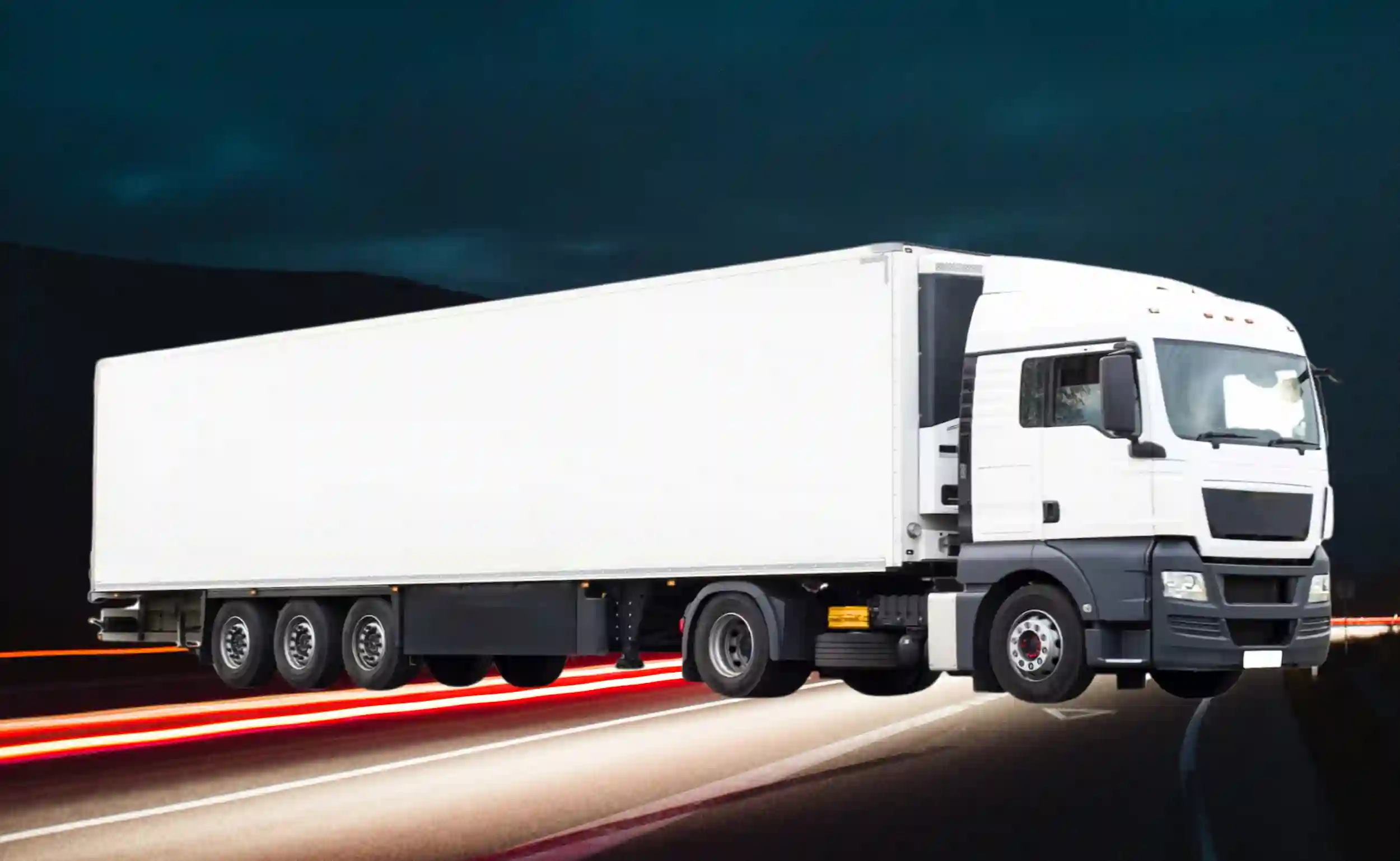
This only stops being a pickup job when the volume grows past what one or two trips can reasonably carry, or when the cargo needs specialist handling — heavy racking, pallets that need a tail-lift, or a full warehouse relocation involving shelving and machinery. At that point you’re looking at a larger vehicle and a proper loading plan rather than a standard pickup run.
Construction and Contractor Materials: Match the Vehicle to the Load, Not the Guess
Contractors and maintenance companies are some of the most frequent commercial users of pickup trucks in Dubai by Haulier Transport, and also the group most likely to under- or over-estimate what they need.
Can a pickup carry construction materials?
Yes, provided the weight, dimensions, and quantity of the materials match the vehicle. A pickup is not automatically the right size just because the materials look like they’d fit.
Before booking, check:
- Total weight, not just how the load looks stacked
- Length—pipes, timber, and rebar can exceed the bed even when the total weight is light
- How the load will be secured for the drive
- Site access—a narrow gate or an active work zone can rule out a larger truck
Dense materials like tiles, cement or aggregate reach a vehicle’s weight limit long before the cargo bed looks full. Long materials like timber or piping can be light but still need a bigger deck. A contractor doing a daily supplier run needs a different booking than a business needing a single large delivery ahead of a project deadline — the first is a case for a standing rental arrangement, the second for a one-off booking with the right size confirmed in advance.
Restaurants, Catering and Event Businesses: One Exception Worth Knowing
Most commercial cargo—furniture, stock, documents, materials—travels fine in a standard pickup or van. Food doesn’t always.
Does my business need a chiller van instead of a pickup?
If the cargo has to stay within a set temperature range—chilled dairy, fresh produce, prepared food, flowers—a standard pickup isn’t built for that. A chiller or refrigerated vehicle is designed to hold temperature during transit; an ordinary cargo bed isn’t. Restaurants, caterers, and event companies moving equipment, dry supplies, and décor can generally use a normal pickup or van for that part of the job, but the temperature-sensitive portion needs a dedicated refrigerated vehicle.
What a Registered Company Should Have Ready Before Booking
Getting a straight quote fast usually comes down to how much detail you can give upfront. For a commercial booking, that typically includes:
- Cargo type—furniture, stock, materials, equipment, or food
- Approximate weight and quantity
- Pickup and delivery locations, including any site or building access restrictions
- Timing—a fixed window, after-hours, or a recurring schedule
- Whether you need loading help or the goods are already prepped for transport
- Trade license and company registration details—commercial rentals in Dubai commonly ask for these alongside the usual driver documentation
- Whether the cargo needs temperature control
The more specific this information is, the easier it is for a provider to confirm the right vehicle on the first call instead of a site visit.
One-Off Delivery or a Standing Rental Contract?
This is a decision individual movers rarely have to make, but businesses do.
A one-off booking makes sense for a single relocation, a single large delivery, or an irregular need—moving an office once, taking delivery of new furniture, or a single construction top-up.
A recurring or monthly arrangement makes more sense once the same trip happens weekly or daily—a retailer restocking a branch, a contractor running materials to one site for months, a restaurant needing scheduled supply runs. A dedicated vehicle on a standing contract usually works out cheaper per trip than booking a new one-off truck every time, and the driver learns the route and the access rules at both ends.
Decision Guide
| Business situation | Pickup truck usually enough | Needs more than a pickup |
|---|---|---|
| Small office, furniture already boxed | Yes. | Full IT setup, zero-downtime move |
| Complete fitted-office relocation | No | Yes—office movers |
| Shop stock between branches | Yes. | Full store fit-out relocation |
| Warehouse pallet or carton transfer | Yes. | Full warehouse relocation with racking |
| Contractor material run | Yes, if the load matches the vehicle | Oversized/heavy specialist loads |
| Restaurant equipment and dry supplies | Yes. | Chilled or frozen cargo—needs a chiller van |
| Recurring weekly stock runs | Yes, on a standing rental | — |
Quick Answers Of Faqs
Can a registered company rent a pickup truck in Dubai?
Yes. Commercial bookings generally follow the same process as personal ones, though providers may ask for a trade licence copy and company registration details alongside standard driver documentation.
Is it cheaper for a business to book a pickup once, or set up a monthly contract?
For a single job, a one-off booking is simpler. For a trip that repeats weekly or more often, a standing rental or monthly contract is usually more cost-effective and easier to schedule.
Can a pickup truck handle a full office relocation?
It can handle the transport of an office that’s already packed down. A relocation involving dismantling, IT infrastructure, or a strict no-downtime window is better handled by an office moving service.
What size pickup does a small business typically need?
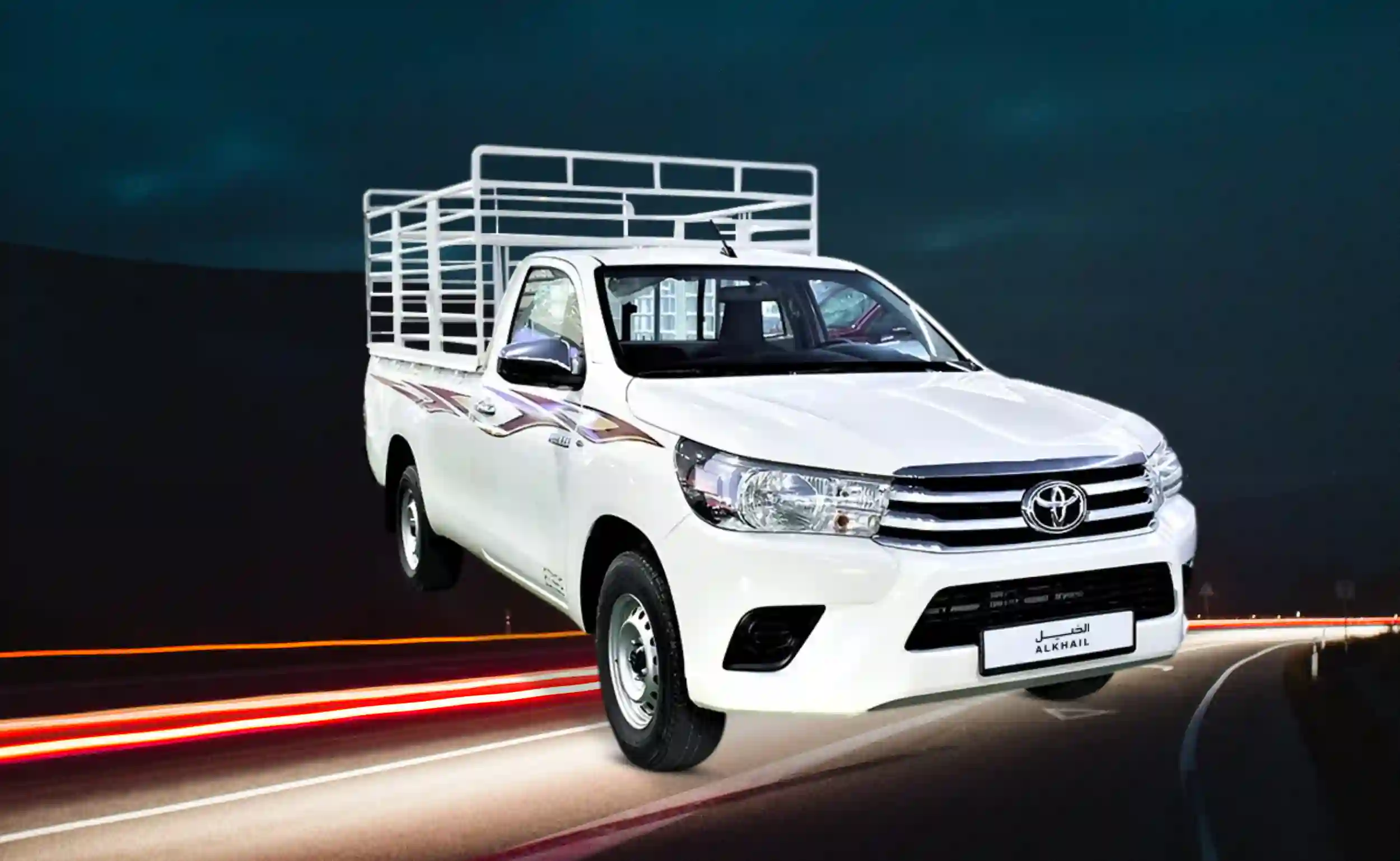
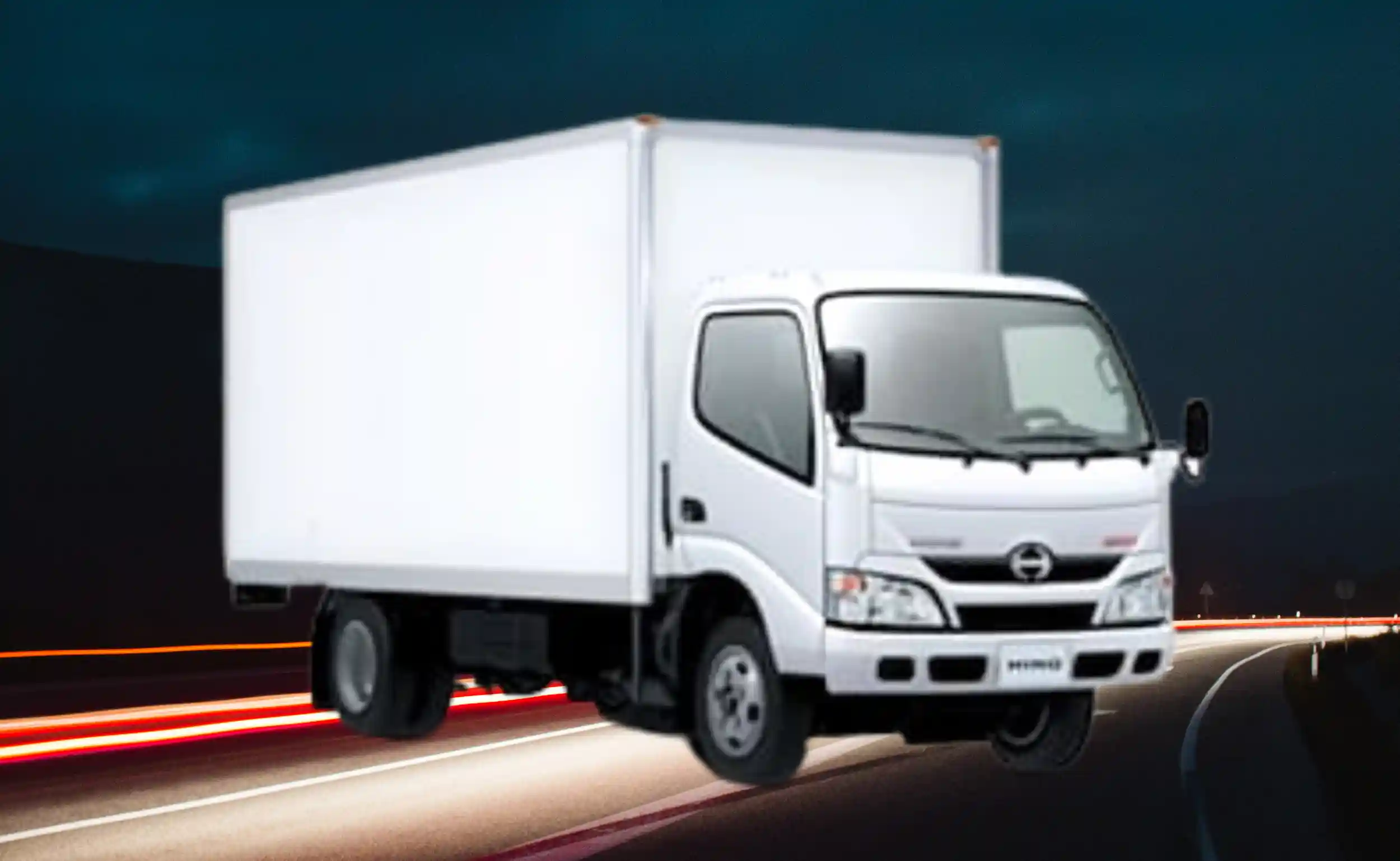
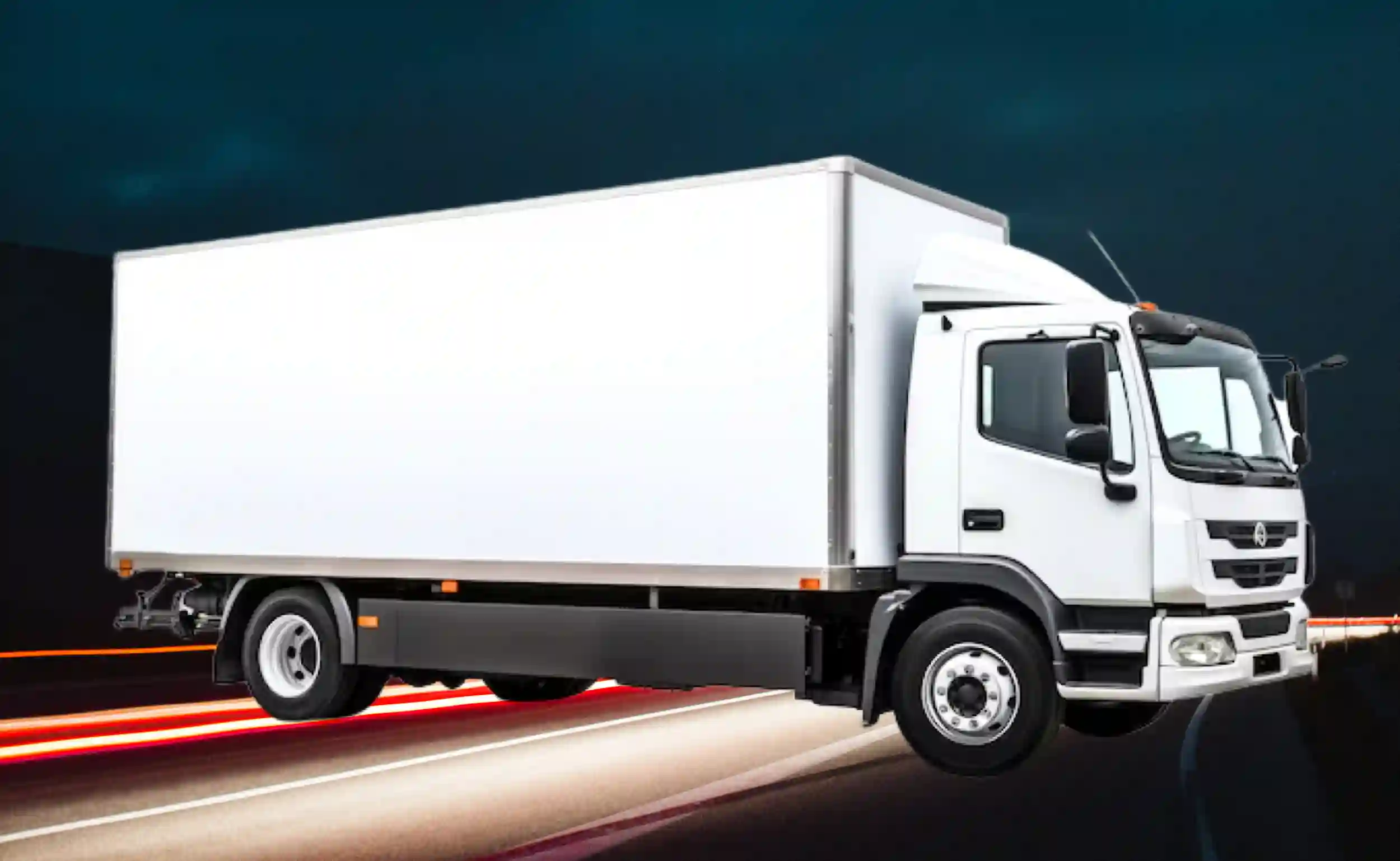
For desks, boxes and light equipment, a 1-ton or 3-ton pickup usually covers it. Heavier commercial loads—bulk stock, construction materials, warehouse transfers — often call for a 7-ton or 10-ton vehicle.
Do businesses need a different vehicle for perishable goods?
Yes. Chilled or frozen cargo needs a refrigerated or chiller vehicle rather than a standard pickup, since ordinary cargo beds aren’t built to hold a temperature range.
