


How to Choose a Refrigerated Transport Provider (Without Regretting It Later)
Choosing a refrigerated transport provider comes down to five things: a fleet that actually holds the temperature your product needs, real-time monitoring you can check yourself, hygiene practices that prevent cross-contamination, drivers who understand cold chain handling, and a clear plan for what happens when a truck breaks down mid-route. Get these five right and the rest of the relationship tends to sort itself out.
Most businesses only think hard about this after something has already gone wrong: a batch of dairy arriving warm, flowers wilting before a wedding, or a pharmacy shipment rejected at the door because there was no temperature log to prove the cold chain held. This guide is written to help you avoid that first bad experience rather than react to it.
Quick Summary Table of How to Choose a Refrigerated Transport Provider
| Factor | What to Check | Why It Matters |
|---|---|---|
| Temperature range | Does the fleet cover your product’s exact range (chilled, frozen, or dual-zone)? | Wrong range means spoiled or rejected goods |
| Monitoring | Live GPS and temperature tracking, not just a dial on the dashboard | You need proof, not promises |
| Hygiene | Cleaning schedule between loads, especially for mixed cargo | Prevents cross-contamination and odor transfer |
| Driver experience | Familiarity with loading sequence, door-open time, pre-cooling | Poor handling undoes good equipment |
| Reliability | On-time delivery track record and backup vehicle availability | Late cold chain delivery can mean total loss |
| Emergency response | Written plan for breakdowns or refrigeration failure | Minutes matter for perishable cargo |
Why Choosing the Right Provider Matters
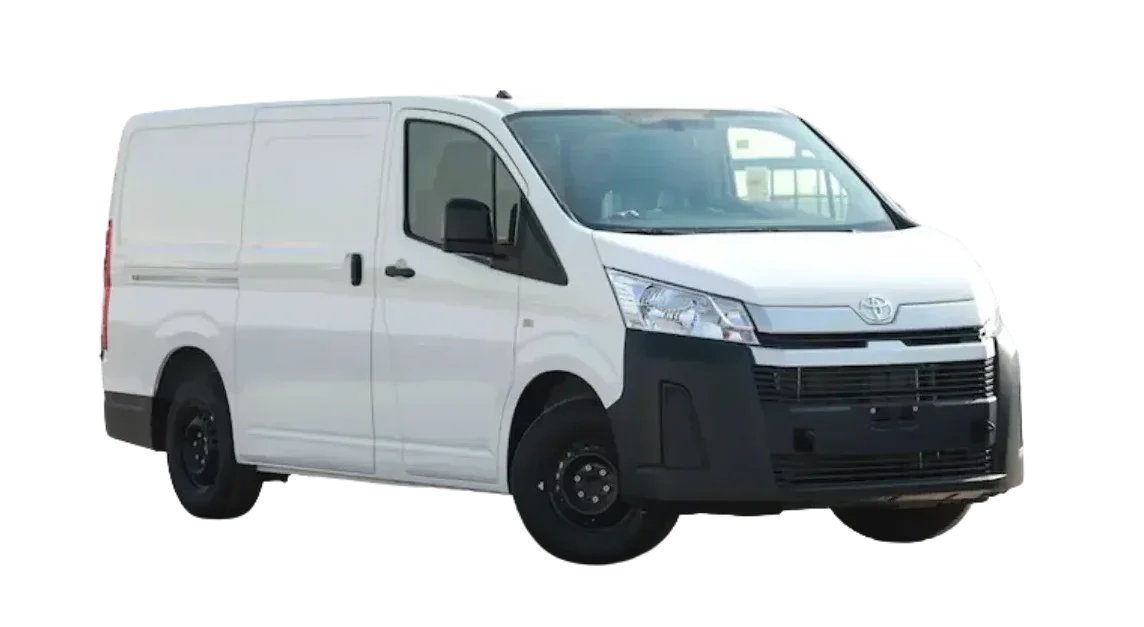
A refrigerated truck is not just a van with air conditioning. It is a moving piece of cold storage, and every gap in that chain, whether it is a door left open too long during loading or a driver taking an unplanned detour, adds risk to whatever is inside | Haulier Transport Dubai.
For a restaurant, that risk might mean a delayed delivery and an awkward conversation with a supplier. For a pharmaceutical distributor, it can mean an entire batch of temperature-sensitive medication becoming unusable. For a florist supplying a wedding, it can mean stems that never fully recover. The stakes are different across industries, but the underlying question is the same: can this provider keep your product within its required temperature window from pickup to delivery, every single time.
This is also why price alone is a poor way to choose a provider. A slightly cheaper quote that comes with an older, poorly maintained fleet or untrained drivers can end up costing far more once you account for spoiled stock, missed deliveries, or damaged client relationships.
Understand Your Product’s Temperature Requirements
Before you even start comparing providers, get specific about what you are shipping. “Refrigerated” is not one setting. Different products need different ranges, and some need more than one range in the same load.
- Chilled goods (dairy, fresh produce, some pharmaceuticals) usually sit between 2°C and 8°C.
- Frozen goods (ice cream, frozen seafood, certain frozen retail items) typically need to stay at -18°C or below.
- Cool, not cold items (chocolate, some cosmetics, floral stock) often need a narrower, milder range, closer to 10°C to 15°C, where too cold can be as damaging as too warm.
- Dual-zone loads, such as a supermarket order that combines frozen items with fresh dairy, need a vehicle with separate compartments, not just one shared cold space.
Write this down before you contact any provider. A vague request like I need a chiller van leads to vague answers. A specific request like “I need -18°C for frozen seafood and 4°C for dairy in the same run” tells a serious provider exactly what equipment you need, and it will quickly reveal which companies actually understand cold chain logistics versus which ones are just renting out vans with a compressor bolted on.
Fleet Quality Checklist
The fleet is where most of the real differences between providers show up. Ask to see, not just hear about, the following:
- Age and maintenance history of the refrigeration units, not just the trucks themselves
- Whether the fleet includes dedicated frozen, chilled, and dual-compartment vehicles, or only one type
- Insulation quality, since a poorly insulated box loses temperature far faster when doors open
- Backup vehicle availability in case of breakdown
- Whether vehicles are dedicated to cold chain work or occasionally repurposed for dry cargo
A provider that hesitates to answer these questions, or gives you a generic brochure instead of specifics, is telling you something. A provider with genuine cold chain experience will usually have this information ready without much prompting.
Temperature Monitoring Systems Explained
This is the part that separates a serious refrigerated transport provider from a truck with a fridge in the back. Temperature monitoring exists so you are not simply trusting the driver’s word that the load stayed cold.
At a minimum, look for:
- In-transit temperature logging, ideally with a digital record you can request after delivery, not just a paper printout that may or may not exist
- GPS tracking so you know where the vehicle is and can correlate location with any temperature deviation
- Alerts for temperature excursions, so both the provider and, ideally, you are notified if the load drifts outside range mid-route
- Proof of delivery temperature, confirming the last reading before the doors opened at the drop-off point
For regulated products like pharmaceuticals, this documentation is not optional; you may need it for compliance and audits. For food businesses, it is still valuable, because it gives you something concrete to point to if a client questions the quality of a delivery.
Importance of Vehicle Hygiene
Hygiene in refrigerated transport is about more than a clean-looking cabin. It is about what happens inside the cold box between loads.
Cross-contamination is a real risk when a vehicle carries different cargo types across different jobs, seafood one day and dairy the next, for example. Odor transfer is another quiet problem: strong-smelling goods can leave a residue that affects the next load even after a basic wipe-down.
Ask providers directly:
- Is the cargo area cleaned and sanitized between loads, or only periodically?
- Are there separate procedures for allergen-sensitive or raw versus ready-to-eat goods?
- Is there a record of cleaning, or is it simply assumed to happen?
This matters most for food distributors, caterers, and pharmaceutical shippers, where a hygiene failure is not just unpleasant, it can be a compliance issue.
Delivery Reliability
Cold chain logistics runs on timing. A delayed dry goods delivery is an inconvenience. A delayed refrigerated delivery can mean the product arrives outside its safe temperature window regardless of how good the truck was.
When evaluating reliability, look past the sales pitch and ask about:
- On-time delivery performance for routes similar to yours
- How the provider handles Dubai traffic and peak-hour congestion on your specific route
- What happens if a vehicle breaks down mid-delivery, is there a backup truck ready to take over
- Whether last-mile delivery windows are realistic or overly optimistic
A provider that gives you an honest delivery window, even if it is not the fastest one on paper, is often more trustworthy than one that promises unrealistic speed and misses it.
Driver Training and Experience
Good equipment in the hands of an inexperienced driver still leads to problems. Cold chain driving is a specific skill, not just standard driving with a colder cabin.
Experienced cold chain drivers understand:
- Pre-cooling the vehicle before loading, not just switching on the unit at pickup
- Minimizing door-open time during loading and unloading
- Proper stacking so airflow inside the unit is not blocked
- Recognizing early signs of refrigeration failure and knowing who to call
When you speak with a provider, ask how long their drivers have worked specifically in refrigerated transport, not just driving in general. A driver who has spent years moving frozen seafood or pharmaceuticals will handle your load differently than one who was reassigned from a dry goods route last month.
Emergency Response Planning
Refrigeration units fail. It happens even with well-maintained fleets. What separates a good provider from a risky one is what happens in the first thirty minutes after that failure.
Ask potential providers:
- Is there a documented process for refrigeration failure mid-route?
- How quickly can a backup vehicle reach the affected load?
- Is there a way to transfer cargo to another cold vehicle if a swap is needed?
- Who is your point of contact if something goes wrong outside normal business hours?
A provider that has clearly thought this through, and can describe the process without hesitation, has almost certainly dealt with it before and learned from it.
Questions Businesses Should Ask
Keep this list handy for your first call with any provider:
- What temperature ranges can your fleet maintain, and do you have dual-compartment vehicles?
- Can I see or receive a temperature log after delivery?
- How often are refrigeration units serviced?
- What is your process if a vehicle breaks down mid-route?
- How is the cargo area cleaned between different loads?
- What is your realistic delivery window for my route, not your best-case estimate?
- Do your drivers have specific cold chain experience, or general driving experience?
- What happens if my delivery is delayed due to traffic or weather?
Common Mistakes Businesses Make
- Choosing based on price alone, without checking fleet condition or monitoring capability
- Not specifying the exact temperature range needed, leading to a mismatch between the product and the vehicle
- Assuming all “refrigerated” vehicles are the same, when chilled, frozen, and dual-zone are very different setups
- Skipping the question about backup vehicles, then having no plan when a breakdown happens
- Not asking for documentation, which becomes a problem later if a client disputes the quality of a delivery
- Overlooking hygiene practices, especially when shipping food or pharmaceutical products
Decision Checklist
Use this before signing with any refrigerated transport provider:
- Fleet covers my exact temperature range (chilled, frozen, or dual-zone)
- Provider offers GPS tracking and temperature monitoring I can access
- Cleaning and hygiene process is clearly explained, not vague
- Drivers have specific cold chain experience
- There is a documented emergency and breakdown plan
- Delivery windows given are realistic for my route
- I can get temperature documentation after delivery if I need it
- Pricing is transparent, with no hidden charges for waiting time or extra stops
Pros and Cons: In-House Fleet vs. Third-Party Refrigerated Transport Provider
| Pros | Cons | |
|---|---|---|
| In-house fleet | Full control over vehicles and drivers; no reliance on external schedules | High upfront cost; maintenance burden; harder to scale up or down |
| Third-party provider | Lower upfront cost; access to a larger, more varied fleet; easier to scale with demand | Less direct control; quality depends entirely on provider’s standards |
For most small and mid-sized food distributors, caterers, and florists, a reliable third-party provider makes more financial sense than owning a fleet. For larger operations with constant, predictable volume, a hybrid approach, an owned fleet supplemented by a trusted provider during peak periods, is common.
Expert Recommendations
If there is one habit worth building, it is this: treat your first few deliveries with a new provider as a trial, not a done deal. Request temperature logs for those early runs even if you do not think you will need them. It is far easier to catch a mismatch early than to discover it after months of assuming everything was fine.
It is also worth building a relationship with a provider that covers more than one temperature range and cargo type. Businesses that grow, a caterer that starts supplying frozen items alongside fresh, or a pharmacy that adds cold-chain lab samples to its deliveries, benefit from working with a provider that can scale with them instead of needing a second vendor for every new product category.
Finally, do not underestimate the value of a provider who is upfront about limitations. A company that tells you honestly they cannot guarantee same-day delivery on a certain route is more trustworthy than one that says yes to everything and figures out the details later.
Frequently Asked Questions
What temperature range is considered “refrigerated transport”?
It depends on the product. Chilled goods typically need 2°C to 8°C, while frozen goods need -18°C or below. “Refrigerated” is a general term that covers both, along with milder cool-chain ranges used for items like chocolate and flowers.
How do I know if I need a dual-zone refrigerated vehicle?
If a single delivery combines products with different temperature needs, for example frozen seafood alongside fresh dairy, you need a vehicle with separate compartments rather than one shared cold space.
Can I request proof that my delivery stayed within temperature range?
Yes, with a serious cold chain provider. Ask for a temperature log or monitoring report as part of the service, especially for regulated goods like pharmaceuticals.
What happens if a refrigerated truck breaks down during delivery?
A reliable provider should have a documented emergency plan, including access to a backup vehicle and a process for transferring cargo if needed. Ask about this before you need it, not after.
Is refrigerated transport more expensive than standard transport?
Generally yes, because of the specialized equipment, maintenance, and monitoring involved. The cost difference is usually smaller than the cost of spoiled or rejected goods from using the wrong type of transport.
How often should refrigeration units be serviced?
This varies by provider and vehicle age, but a provider with a genuine maintenance schedule should be able to describe their servicing routine clearly rather than giving a vague answer.
Do refrigerated transport providers handle both food and pharmaceutical deliveries?
Many do, but the hygiene and documentation standards required differ. If you are shipping pharmaceuticals, confirm the provider has specific experience and monitoring suited to regulated products, not just general food-grade handling.
What is the biggest mistake businesses make when choosing a provider?
Choosing based on price without checking fleet condition, monitoring capability, or hygiene practices. A cheaper quote that leads to spoiled stock ends up costing more.
How can I check a provider’s delivery reliability before committing?
Ask about their track record on routes similar to yours, and consider starting with a trial delivery or two before committing to a long-term contract.
Does the type of packaging still matter if the truck is refrigerated?
Yes. Refrigerated transport maintains ambient temperature inside the vehicle, but proper packaging still helps protect against temperature fluctuation during loading, unloading, and any door-open periods along the route.
Conclusion
Choosing a refrigerated transport provider is really about reducing uncertainty. The right partner gives you a fleet matched to your product, monitoring you can actually verify, drivers who understand cold chain handling, and a clear plan for when things go wrong, because in this industry, something eventually will.
Take the time to ask the questions in this guide before you commit to a provider, and treat your first few deliveries as a trial run rather than a settled arrangement. If you are currently comparing options and want to see what a dedicated cold chain fleet looks like in practice, you can review our refrigerated fleet solutions to see the range of chilled, frozen, and dual-zone vehicles available for different cargo needs.
If your business requires a temperature-controlled vehicle for food, pharmaceutical, or FMCG deliveries, explore our Chiller Van Rental Duabi fleet.
