
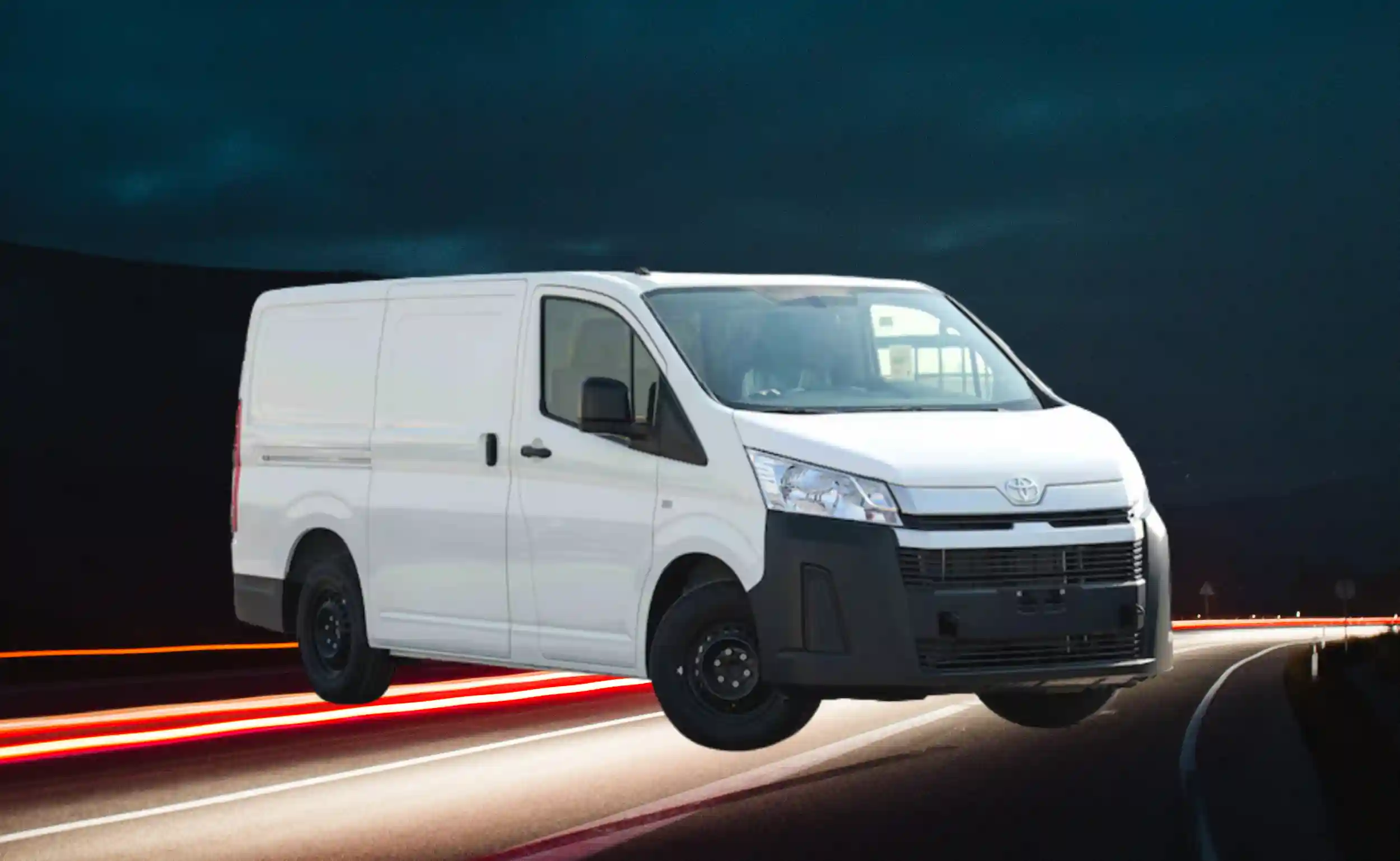


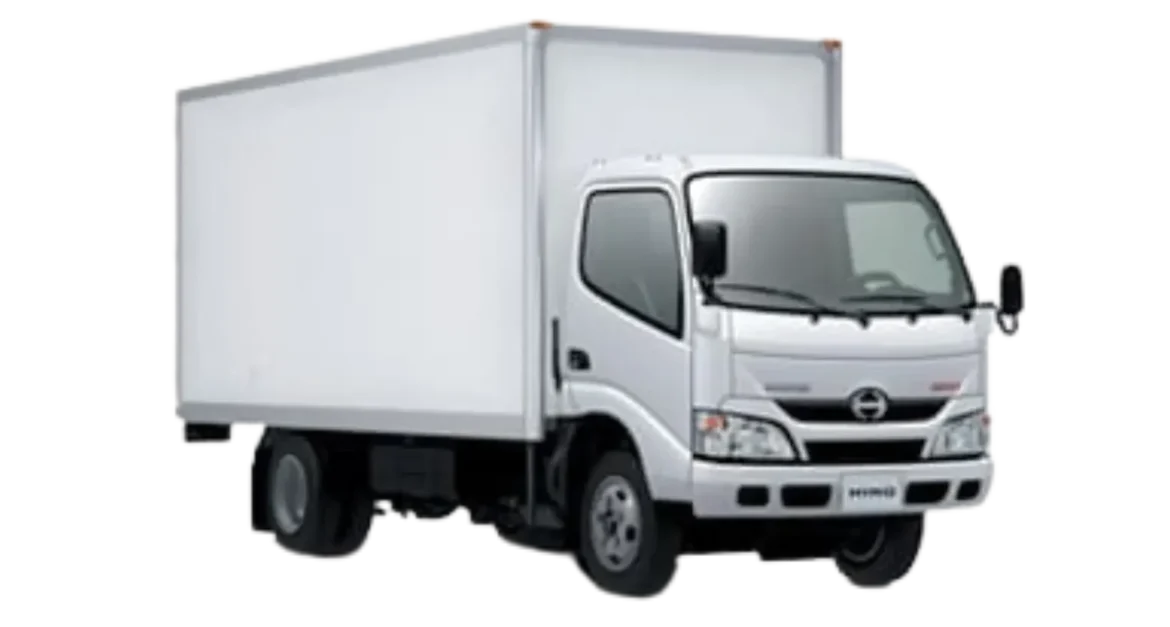
Chiller Van With Driver vs. Self-Drive is a practical question for businesses that need refrigerated transport but are unsure who should operate the vehicle. At first, the difference may seem simple. With one option, a driver is provided. With the other, your business operates the vehicle itself. In practice, the choice also affects who handles the driving, route, delivery schedule, and day-to-day vehicle responsibility.
A business with its own suitable driver and established transport team may prefer self-drive. A business that wants the transport provider to handle the vehicle operation may prefer a driver-included arrangement. The right choice depends on your delivery pattern, staff, route requirements, and how much of the transport operation you want to manage yourself.
Chiller Van With Driver vs. Self-Drive: The Quick Difference
The simplest way to look at the two options is this:
With a driver: the transport provider supplies and operates the vehicle.
Self-drive: your business takes responsibility for operating the vehicle.
That difference becomes more important when you have several delivery locations, fixed delivery times, or regular commercial transport requirements. If your business already has a suitable driver and transport procedures in place, self-drive can be practical. If you do not want to allocate your own employee to the vehicle, a driver-included service removes that part of the operation from your team.
What Is a Chiller Van With a Driver?
A chiller van with a driver combines the refrigerated vehicle and driver as one transport arrangement. Instead of collecting the vehicle and arranging your own driver, the transport provider operates the van during the agreed service period. This can be useful for businesses that need to move chilled goods but do not want to maintain their own refrigerated transport operation.
For example, a food supplier may need deliveries made to several customers during the same day. The business can arrange the cargo and delivery requirements while the transport provider handles the vehicle and driving. The exact responsibilities depend on the provider’s terms, so it is always worth confirming what is included before booking.
What Is a Self-Drive Chiller Van?
A self-drive chiller van is operated by the customer rather than by a driver supplied by the transport company. The business therefore needs to arrange an appropriate driver and manage the vehicle during the rental period. This can suit companies that already have an internal logistics team and regularly operate commercial vehicles.
It can also provide greater direct control over the daily route and schedule. However, self-drive does not simply mean paying for the van and nothing else. Your business still needs to account for the people and operational responsibilities involved in using it.
Chiller Van With Driver vs. Self-Drive: Key Differences
| Factor | With Driver | Self-Drive |
|---|---|---|
| Driver | Provided as part of the transport arrangement | Arranged by the customer |
| Vehicle operation | The transport provider operates the vehicle. | The customer operates the vehicle. |
| Route control | Can be coordinated with the provider | Managed by your business |
| Internal staff requirement | Lower | Higher |
| Driver replacement | Discussed with the provider | Your responsibility |
| Daily vehicle management | The provider handles driving. | The customer handles operation. |
| Flexibility | Depends on the provider and agreed schedule | Greater direct control |
| Best suited to | Businesses wanting managed transport | Businesses with their own driver and logistics setup |
The important point is that neither option is automatically right for every business.
The better fit depends on who is already equipped to handle the work.
When Is a Chiller Van With a Driver More Practical?
A driver-included arrangement can be useful when your business wants to outsource the vehicle operation rather than add another responsibility to its own team.
Businesses without their own suitable driver
If your company does not already have a driver available, a self-drive vehicle creates an additional staffing requirement.
A driver-included arrangement avoids having to assign an employee to the vehicle.
Multi-stop deliveries
A delivery route with several customers requires more coordination than a single pickup and drop-off.
The driver needs to follow the agreed route, reach the destinations on time, and coordinate the movement of the vehicle between stops.
This can be useful for food suppliers, restaurant deliveries, and other businesses with recurring delivery rounds.
Catering and event deliveries
Catering jobs often work around specific delivery times. A business may have food leaving one location and going to one or several venues. Using a transport provider with a driver can allow the catering team to concentrate on preparation and event work rather than assigning one of its own employees to drive.
Occasional refrigerated transport
A company that only needs a refrigerated vehicle from time to time may not have much reason to maintain its own driver and refrigerated transport operation. A driver-included service can keep the arrangement simpler.
When Can Self-Drive Make Sense?
Self-drive can be a sensible option when the business already has the infrastructure to operate the vehicle.
It may suit a company that has:
- An appropriate driver
- Regular delivery routes
- An internal logistics team
- Experience with commercial vehicles
- A predictable delivery schedule
- Staff available to manage the vehicle
For such businesses, self-drive can provide more direct control over the daily operation. The main question is whether your business is prepared to take responsibility for the vehicle rather than simply whether someone is available to drive it.
Is Self-Drive Always Cheaper?
No.
The vehicle rental price is only one part of the calculation. A business comparing self-drive with a driver-included arrangement should consider the complete operating cost.
Depending on the rental agreement, this may include:
- Driver wages
- Staff time
- Fuel
- Salik or other applicable road charges
- Parking
- Insurance
- Mileage limits
- Deposit requirements
- Driver overtime
- Replacement driver arrangements
For example, a company may find that a self-drive vehicle has a lower advertised daily rate. But if one of its employees has to spend the entire day driving, that employee’s time becomes part of the real transport cost. The useful comparison is therefore total operating cost, not simply the rental rate shown on a quotation.
What About Multi-Stop Delivery Routes?
This is one of the situations where the difference between the two models becomes more noticeable.
Consider a supplier delivering chilled products to five restaurants. The business needs to know:
- Which location comes first
- What needs to be delivered at each stop
- When each customer can receive the delivery
- How long the route is likely to take
- Who is responsible for the vehicle during the route
With self-drive, your own team handles those responsibilities.
With a driver-included arrangement, the vehicle operation can be handled by the transport provider according to the agreed requirements. The choice therefore depends partly on whether your business wants to keep route management in-house or outsource the driving side of the job.
Which Option Is Better for Catering Deliveries?
There is no single answer for every catering company. A small caterer with a simple delivery schedule may have an employee who can manage its own vehicle. A catering company handling several events at different locations may prefer to use a transport provider with a driver so its own staff can remain focused on food preparation and event operations. The number of deliveries, delivery windows, and available staff are more useful decision factors than simply asking which option is “better.”
Which Option Is Better for Restaurant and Food Suppliers?
Restaurant and food suppliers often have repeat delivery routes. If the company already operates its own delivery fleet and has drivers, self-drive can fit naturally into its existing logistics system. If the company does not want to manage a refrigerated vehicle internally, a driver-included arrangement can reduce the amount of transport administration required from its own staff.
Again, the decision comes down to how the business is organized.
What Should You Ask Before Booking?
Before choosing either arrangement, clarify the following.
Vehicle
- What type and size of chiller van is available?
- What is the usable cargo capacity?
- What temperature range is appropriate for your goods?
- Is the vehicle suitable for your particular load?
Driver
If a driver is included:
- Is the driver part of the agreed service?
- What hours are included?
- Are waiting periods covered?
- What happens if the driver becomes unavailable?
If it is self-drive:
- What driving license is required?
- Who is allowed to operate the vehicle?
- What insurance conditions apply?
- Are there mileage restrictions?
- What happens if the vehicle develops a problem?
Route
- How many stops are required?
- What are the pickup and delivery locations?
- Are there fixed delivery windows?
- How long will the vehicle be needed?
- Are there additional road or parking charges?
These questions can prevent misunderstandings later.
Chiller Van With Driver vs. Self-Drive: Which One Should You Choose?
A simple way to decide is to look at who is already equipped to manage the transport.
A driver-included chiller van may suit your business if:
- You do not have a suitable driver
- You want the vehicle operation handled by the transport provider
- You have multiple delivery locations
- Your staff needs to focus on other business operations
- You need refrigerated transport occasionally or on a recurring basis
Self-drive may suit your business if:
- You already have a suitable driver
- You operate your own delivery team
- You want direct control over routes
- Your delivery schedule is predictable
- Your business is comfortable managing the vehicle itself
There is no need to choose based only on the lowest rental figure. Look at the people, time, and responsibilities that come with each option.
How Haulier Transport Handles Chiller Van Transport
Haulier Transport provides chiller van transportation in Dubai with a driver rather than offering its chiller vans as a self-drive service. This means businesses can arrange refrigerated transportation without assigning one of their own employees to operate the vehicle. The service can be used for commercial chilled deliveries, including food, catering, and other temperature-sensitive goods.
If you are inquiring about transport, provide the pickup location, delivery location, number of stops, approximate load, and required schedule. These details help determine the appropriate transport arrangement for the job. For businesses specifically looking for a managed refrigerated vehicle in Dubai, you can learn more about the available chiller van rental in Dubai options on Haulier Transport’s service page.
FAQs
Is a chiller van with a driver better than self-drive?
It depends on your delivery setup. A van with a driver can be more practical when you do not have your own suitable driver, have multiple delivery stops, or want the transport provider to handle vehicle operation. Self-drive can suit businesses that already have drivers and an established logistics team.
Can I rent a chiller van for self-drive?
Self-drive availability depends on the transport provider, vehicle type, licence requirements, insurance conditions and rental terms. Not every refrigerated vehicle is offered on a self-drive basis.
Is a chiller van with a driver more expensive than self-drive?
The vehicle-only rental rate may be higher when a driver is included, but the total cost depends on driver wages, fuel, road charges, parking, staff time and other operating expenses. It is better to compare the complete delivery cost rather than only the van rate.
Who is responsible for the chiller van when using self-drive?
The customer generally takes responsibility for operating the vehicle during the rental period, subject to the rental agreement. This can include arranging the driver, following vehicle requirements and managing the daily operation.
Is a chiller van with a driver suitable for multi-stop deliveries?
Yes. A driver-included arrangement can be useful when a refrigerated vehicle needs to visit several restaurants, catering venues, retailers or other delivery points during the same route.
Which option is better for catering deliveries?
It depends on the catering company’s existing logistics setup. A company with its own driver and delivery team may manage transport internally, while a business without dedicated transport staff may prefer a chiller van with a driver.
Does self-drive give more control over the delivery route?
Yes. With self-drive, the business generally has more direct control over the vehicle and route, subject to the rental agreement and applicable restrictions.
What should I consider before choosing between self-drive and a driver-included chiller van?
Consider whether you have a suitable driver, how many delivery stops you have, how predictable your routes are, how long the vehicle will be needed and how much responsibility your team wants to take for the vehicle operation.
Can a small business use a chiller van with a driver?
Yes. A driver-included arrangement can be useful for a small business that needs refrigerated transport but does not have enough regular work to justify maintaining its own refrigerated vehicle and driver operation.
What is the main difference between self-drive and a chiller van with a driver?
The main difference is who operates and manages the vehicle. With a driver-included arrangement, the transport provider supplies the driver. With self-drive, the customer arranges and manages the driver and vehicle operation.
