



How Event Catering Transportation Works Dubai. If you run a catering company, a restaurant group, a hotel kitchen, or a cloud kitchen in Dubai, moving food is part of your daily operation. Done well, nobody notices. Done badly, it means rejected deliveries, wasted food, and inspection problems. This guide explains how the process works from kitchen to venue and what Dubai’s rules mean in practice. Food leaves the kitchen at its required temperature, travels in a suitable permitted vehicle or insulated unit with a trained driver, and is handed over inside the venue’s access window. The temperature chain must stay unbroken throughout.
Who moves the food? Three common setups For How Event Catering Transportation Works Dubai.
| Setup | Works well when | Watch out for |
|---|---|---|
| Own vehicles | You have steady daily volume. | You carry the permits, calibration, cleaning, and driver training. |
| Rented vehicle | You need extra capacity occasionally. | You must check the vehicle meets Dubai requirements before using it. |
| Outsourced transport partner | Event volumes vary, or you need refrigerated capacity quickly. | Verify the vehicle and driver compliance, and agree on who is responsible for what. |
According to the guideline, a food establishment renting a vehicle must check beforehand that it meets requirements, and for short-term rentals the provider is responsible for the vehicle’s condition and for cleaning between hires.
The journey, step by step
- Plan backwards from service time. Venue access, travel time, and unloading decide when loading starts.
- Bring food to transit temperature before loading. The guideline says products should already be at the right temperature and pre-cooled if necessary. A cooling unit holds temperature; it doesn’t correct it.
- Pre-cool the vehicle. Refrigerated vehicles should be pre-cooled for at least one hour before loading.
- Load quickly and in order. Keep loading short, stack to allow air circulation, and load in the reverse of the unloading order. In hot weather, early morning or evening loading is preferred.
- Keep the cooling on. The unit should stay on, including while parked, until all food is unloaded.
- Hand over. Check temperature on arrival where required, and record who received the load and when.
Matching food to the vehicle
| Food type | Required temperature | Typical solution |
|---|---|---|
| Hot | 60°C or above | Insulated hot boxes, or a heated unit |
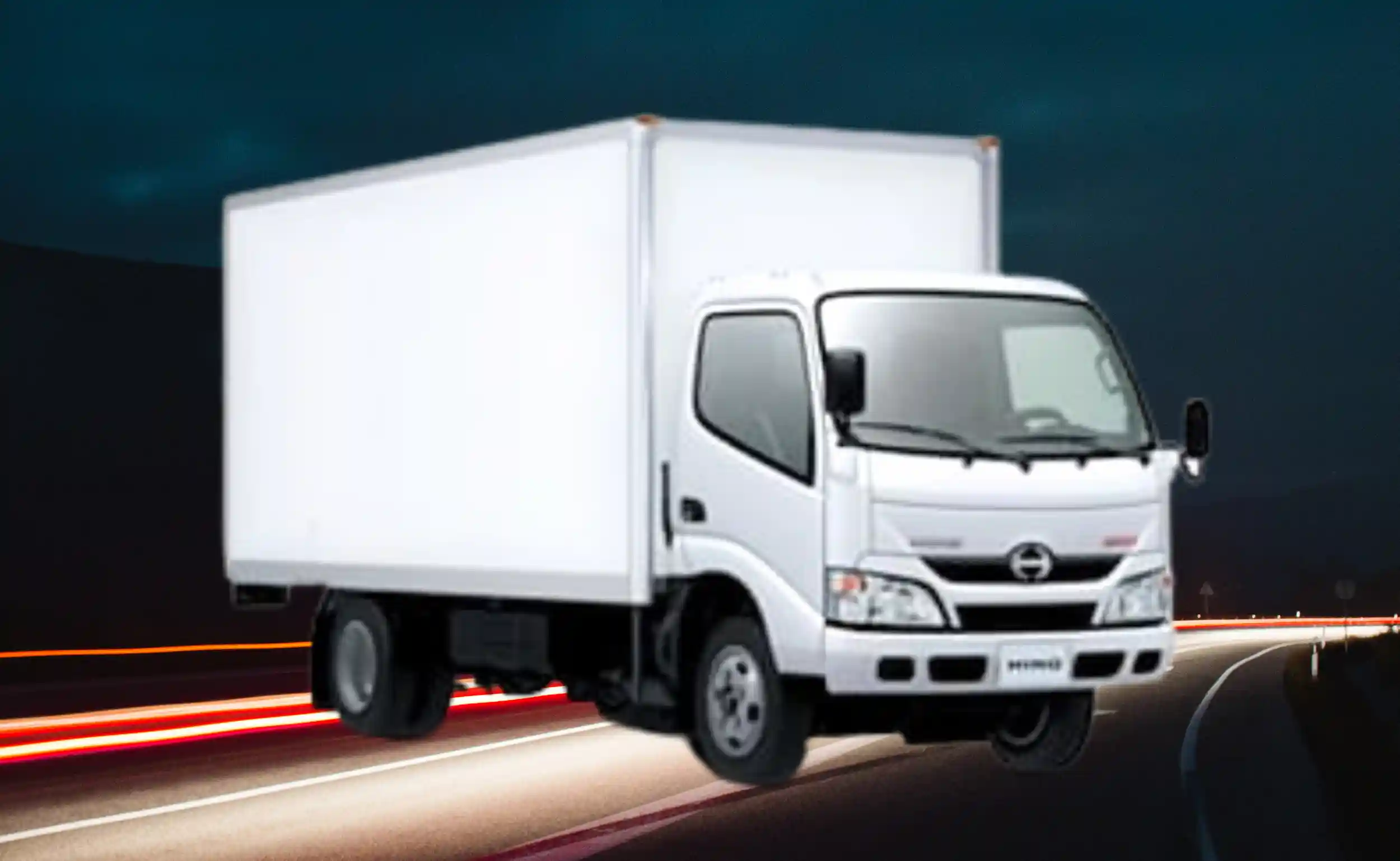
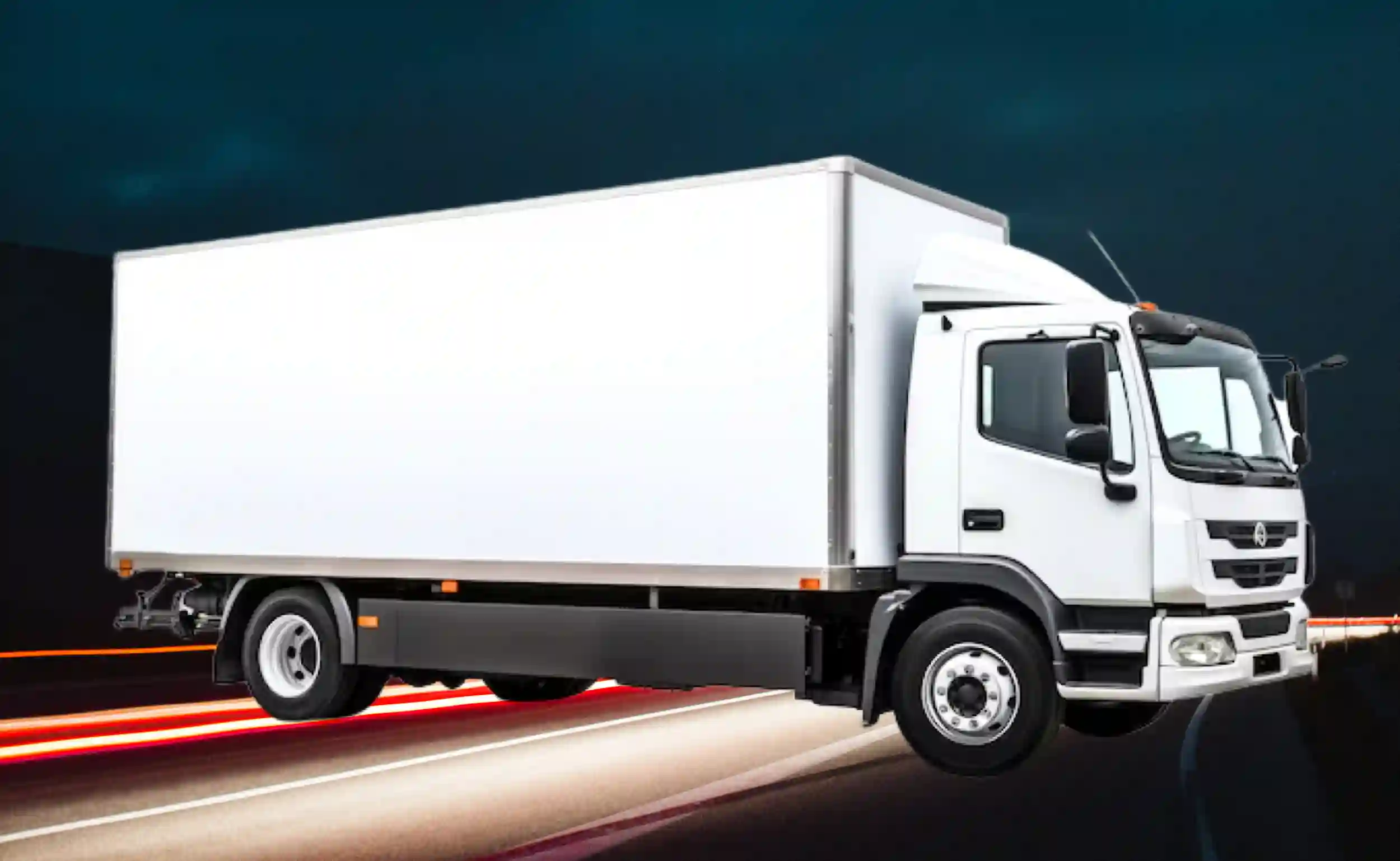
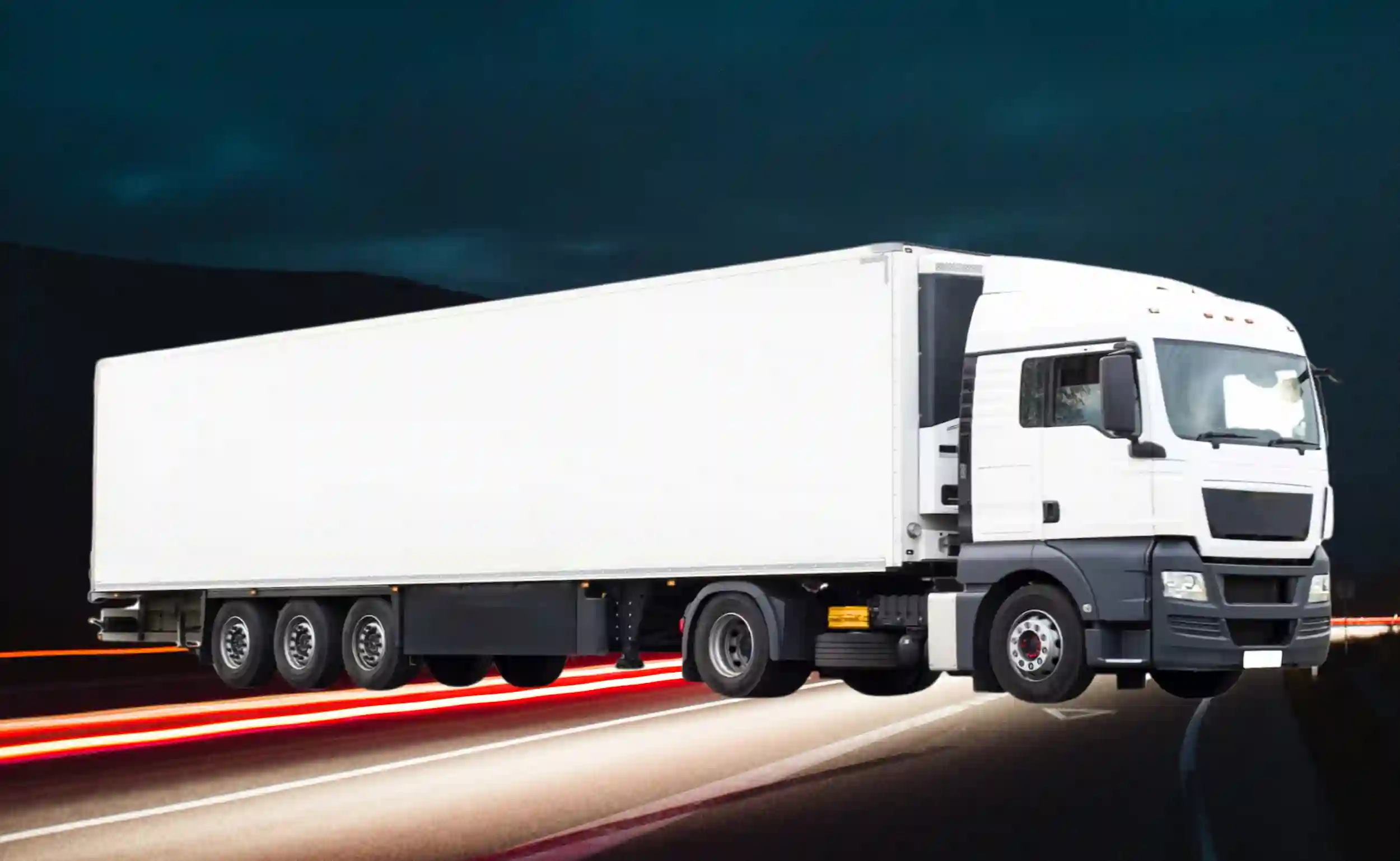
| Cold | 5°C or below at full load | Refrigerated van or truck |
| Frozen | -18°C or below | Freezer vehicle |
| Dry | 30°C or below | Clean, covered vehicle |
Hot food in insulated boxes does not need a temperature-controlled vehicle, provided the boxes keep it above 60°C through loading, transport, and storage until service. When different temperatures travel together, the guideline expects separate, fully insulated compartments.
Dubai compliance in practice
- Vehicle permit. Food transport vehicles need an annual permit, issued digitally by an accredited testing center and linked to the plate and chassis number. It states which food types the vehicle may carry.
- FoodWatch. Food businesses, transport providers, and rental providers must be registered on it. A person in charge can also use it to verify a food vehicle and report one that isn’t approved.
- Drivers. They count as food handlers and need food safety training and a valid occupational health certificate.
- Calibrated monitoring. Temperature devices in refrigerated vehicles must be calibrated annually by an accredited company.
- Cleanliness. The unit must be clean and free of previous cargo residue before loading.
Records worth keeping
For inspections and for disputes with clients or venues, keep:
- The vehicle’s permit status
- Driver training and health certificates
- Calibration certificates for monitoring devices
- Temperature records for the journey
- Cleaning records
- Any breakdown record and its impact on the food (the guideline says breakdowns should be recorded)
- Notes on any rejected delivery and the corrective action taken
Food that has suffered temperature abuse must be discarded, so these records also protect you commercially.
What commonly goes wrong?
- Food loaded warm, expecting the vehicle to cool it
- Hot and cold items sharing one compartment
- A vehicle that wasn’t pre-cooled
- The unit switched off during a long wait
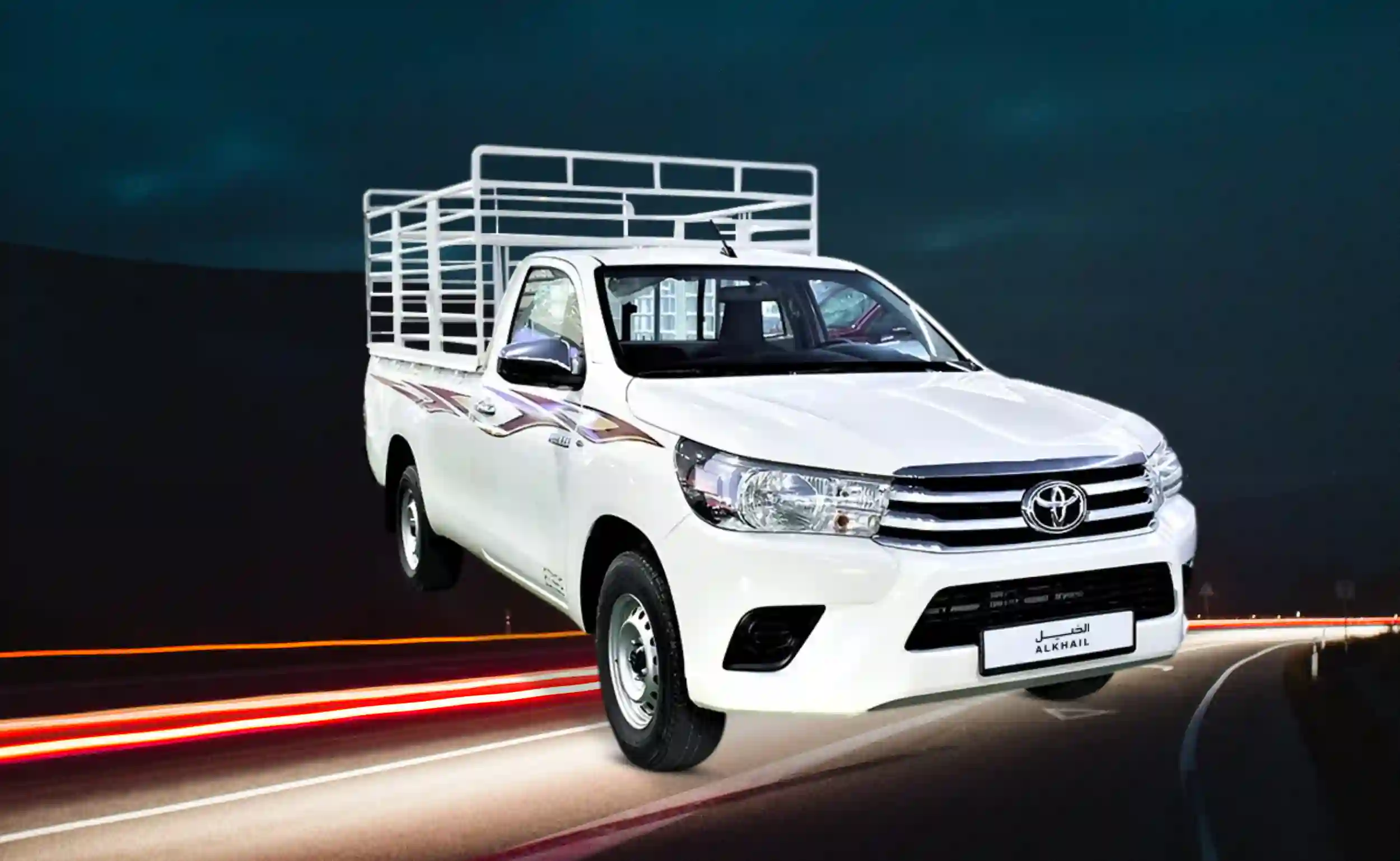
- Open pickup beds used for perishables. Dubai Municipality has fined vehicles for carrying perishables without chillers and for using open-air pickup beds
- Underestimated venue access times
- No backup vehicle on a busy event day
Choosing a transport partner: a checklist
- Does the vehicle hold a valid food transport permit for this type of food? Can you verify it?
- Are drivers trained and registered as food handlers?
- Are monitoring devices calibrated, and can you get temperature records?
- Will the vehicle be pre-cooled and kept running while waiting?
- Can chilled, frozen, and hot loads be separated?
- What is the plan for delays, multiple stops, and a backup vehicle?
- Who is responsible at each stage, and what’s in writing?
Frequently asked questions
Do restaurants and caterers need a permit for their delivery vehicles?
Food transport vehicles operating in Dubai need an annual permit, and the vehicle must be registered on FoodWatch.
Can I use a rented refrigerated vehicle?
Yes, but you must check beforehand that it meets Dubai’s requirements.
Can hot food travel in insulated boxes instead of a refrigerated truck?
Yes, if the boxes keep it above 60°C until service.
What temperature must chilled food be at in transit?
5°C or below at full load.
What if food gets too warm in transit?
It should be discarded, and the incident recorded and corrected.
Is an open pickup suitable for catering food?
Not for perishables. Food needs a covered, suitable unit.
If you need temperature-controlled vehicles for catering and event deliveries, see our event catering logistics service in Dubai.
