
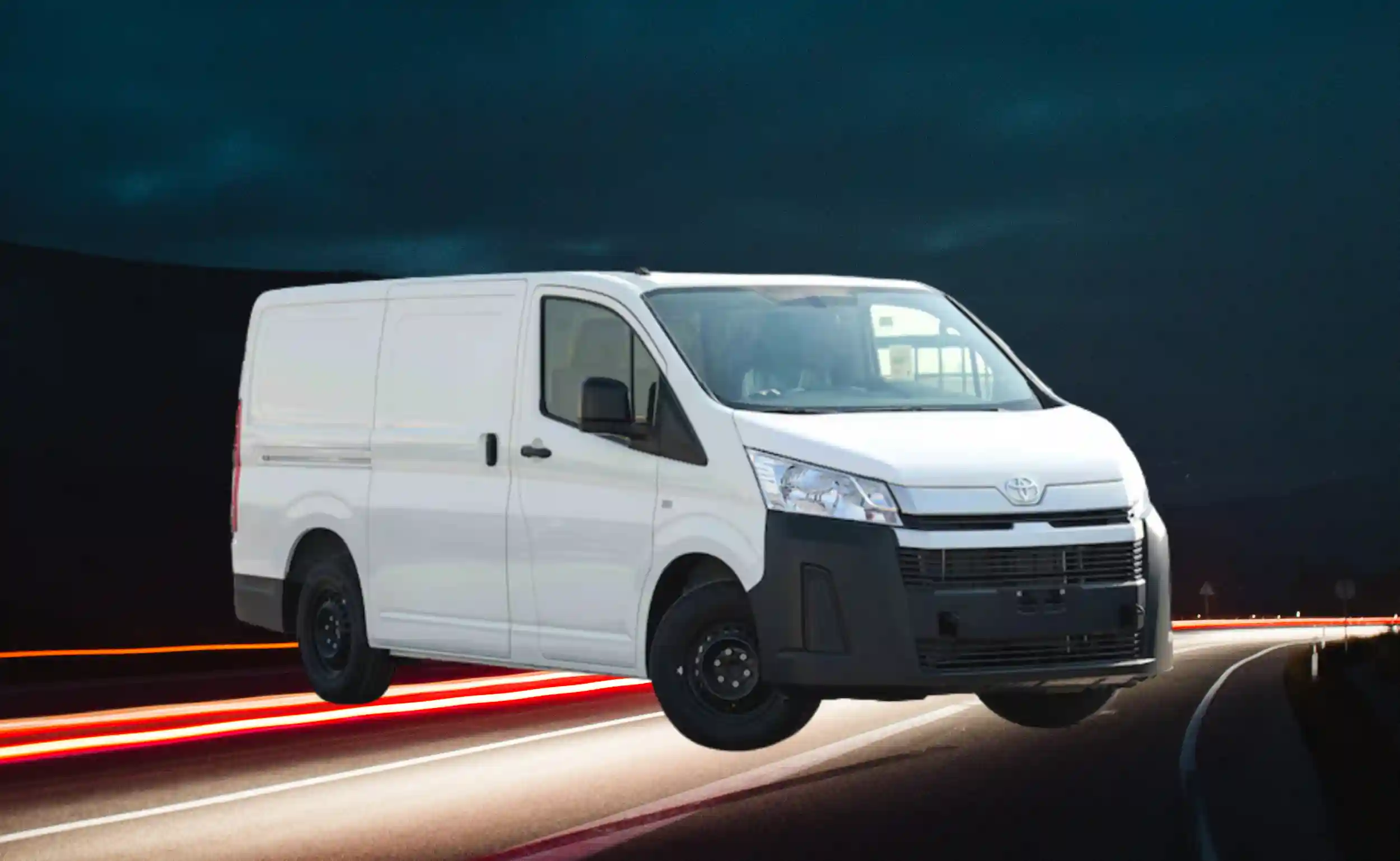


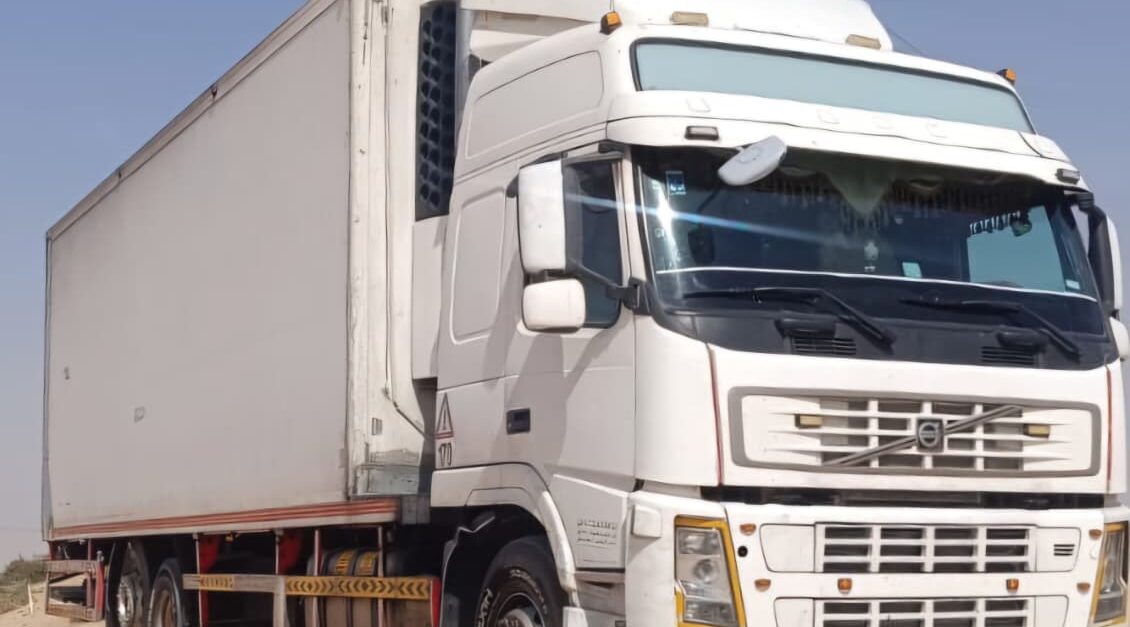
Catering food is at its most vulnerable the moment it leaves the kitchen. It has already been prepared, portioned, and often chilled or frozen to the right serving condition, and every minute between the kitchen and the venue is a minute where that condition can slip. In a city where summer road surface heat regularly pushes past 50°C, a delivery van sitting outside a hotel loading bay for ten extra minutes can undo hours of careful food preparation, Transport Chilled Frozen Catering Food Safely Dubai.
This guide walks through what actually keeps chilled and frozen catering food safe on the way to a Dubai event, based on Dubai Municipality’s own food transportation requirements, not just general cold chain theory. If you are coordinating a wedding, corporate function, or exhibition catering run and want the transport leg to hold up under scrutiny, this is what to get right. If you would rather have this handled for you, Haulier Transport’s Event Catering Logistics Dubai service covers exactly this kind of temperature-controlled event transport.
Why Chilled and Frozen Catering Food Needs Special Handling in Dubai
Two things make Dubai catering transport riskier than in most other markets. First, the climate. Ambient temperatures during loading and unloading can be more than 40°C hotter than the food itself needs to stay. A chilled dessert sitting at 4°C can rise into the danger zone within minutes if it is left uncovered on a loading dock in July.
Second, event catering rarely moves in one simple trip. Food often comes from a central kitchen, desserts from a separate supplier, and beverages from another collection point, all converging on one venue with a fixed access window. Every extra stop, hand-off, or waiting period is another chance for the cold chain to break.
Bacteria that cause foodborne illness multiply fastest between 5°C and 60°C, which is why regulators define that range as the temperature danger zone. Keeping chilled food at or below 5°C and frozen food at or below -18°C throughout transport is not just good practice, it is the standard that keeps food out of that zone.
What Dubai Municipality Actually Requires
Dubai Municipality’s Food Safety Department publishes specific requirements for food transportation and delivery vehicles (guideline DM-FSD-GU63). A few of the core rules are worth knowing even if you are not the one operating the vehicle, because they set the benchmark any transport provider should be meeting:
- Vehicles carrying cold food must be capable of keeping it at 5°C or below at full load capacity
- Vehicles carrying frozen food must be capable of keeping it at -18°C or below at full load capacity
- Hot food transport units must hold food at 60°C or above
- Refrigerated trucks and vans should be pre-cooled for at least one hour before loading to remove residual heat
- The cooling unit must stay switched on at all times, including standby periods, until every item is unloaded
- When chilled and frozen products travel together, the vehicle should have separate, fully insulated compartments for each temperature zone
- Temperature monitoring equipment in refrigerated vehicles must be calibrated annually by an accredited provider
None of this is optional guidance. It is the actual compliance bar for any vehicle transporting food commercially in Dubai, and it is a useful checklist to hold any catering transport provider against, including your own.
Chilled vs Frozen: Why the Distinction Matters for Catering
Caterers often assume “keep it cold” is one instruction, but chilled and frozen products behave very differently in transit. Chilled catering items (0°C to 5°C) include dairy, fresh desserts, prepared mains, salads, and canapés. These are the most common catering loads and the most sensitive to even short temperature rises, since they are usually served within hours of arrival.
Frozen catering items (-18°C or below) include ice cream stations, frozen desserts, and bulk frozen stock held for later service. These have more thermal buffer than chilled items, but partial thawing and refreezing damages texture and creates its own safety risk once the product returns to room temperature.
Mixing both in one vehicle without proper separation is one of the more common transport mistakes in event catering. A single-compartment chiller van set to 4°C will not hold ice cream frozen, and a freezer unit at -18°C will freeze solid the fresh salads sitting next to it. This is why dual-zone or fully compartmentalized vehicles matter for any event with a mixed-temperature menu.
Step-by-Step: Transporting Chilled and Frozen Catering Food Safely
1. Pre-cool or pre-freeze the vehicle before loading
The vehicle’s compartment should already be at the required operating temperature before any food goes in. Loading warm food into a warm compartment means the refrigeration unit is working to cool both the air and the food at once, which takes far longer and risks temperature abuse in the first critical minutes.
2. Make sure food is already at the correct temperature before it leaves the kitchen
Transport refrigeration is designed to maintain temperature, not rapidly bring food down from room temperature. Chilled items should already be at or below 5°C and frozen items at or below -18°C before loading begins.
3. Keep loading and unloading time as short as possible
Every minute a compartment door stays open lets warm Dubai air in. During the hottest parts of the day, this is the single biggest point of failure in an otherwise correct cold chain.
4. Load early morning or evening where possible
Loading and unloading in cooler parts of the day reduces the temperature gradient between the outside air and the food unit, which is exactly what Dubai Municipality’s own guidance recommends for cold and frozen products.
5. Separate different temperature zones properly
If a single event needs both chilled desserts and frozen items, use a vehicle with fully insulated, independently controlled compartments rather than trying to manage both in one open space.
6. Never place food directly on the vehicle floor
Food should be stacked to allow air to circulate around it, not stacked flat against the floor or packed so tightly that cold air cannot reach every item.
7. Keep the cooling unit running throughout, including standby time
If the vehicle is parked and waiting for a venue access window to open, the refrigeration unit should stay on. Turning it off “just for a few minutes” during a hot Dubai afternoon is enough to push chilled food out of the safe range.
8. Use sealed, food-grade containers
Sealed containers prevent cross-contamination between different dishes and protect food from contamination during loading, transit, and unloading.
9. Monitor temperature with digital logs where the booking calls for it
Digital temperature logging gives an event coordinator or venue a verifiable record that the cold chain held throughout the journey, which matters for corporate clients and larger catering contracts that want proof, not just assurance.
10. Plan the route and schedule around the venue’s access window
Multi-stop event days need a clear collection and delivery sequence worked out in advance, so the vehicle is not idling outside a venue waiting for a loading bay to open.
Choosing the Right Vehicle for the Load
The right vehicle depends on volume, temperature requirement, and how many collection points are involved.
| Vehicle Type | Typical Temperature Range | Best Suited For |
|---|---|---|
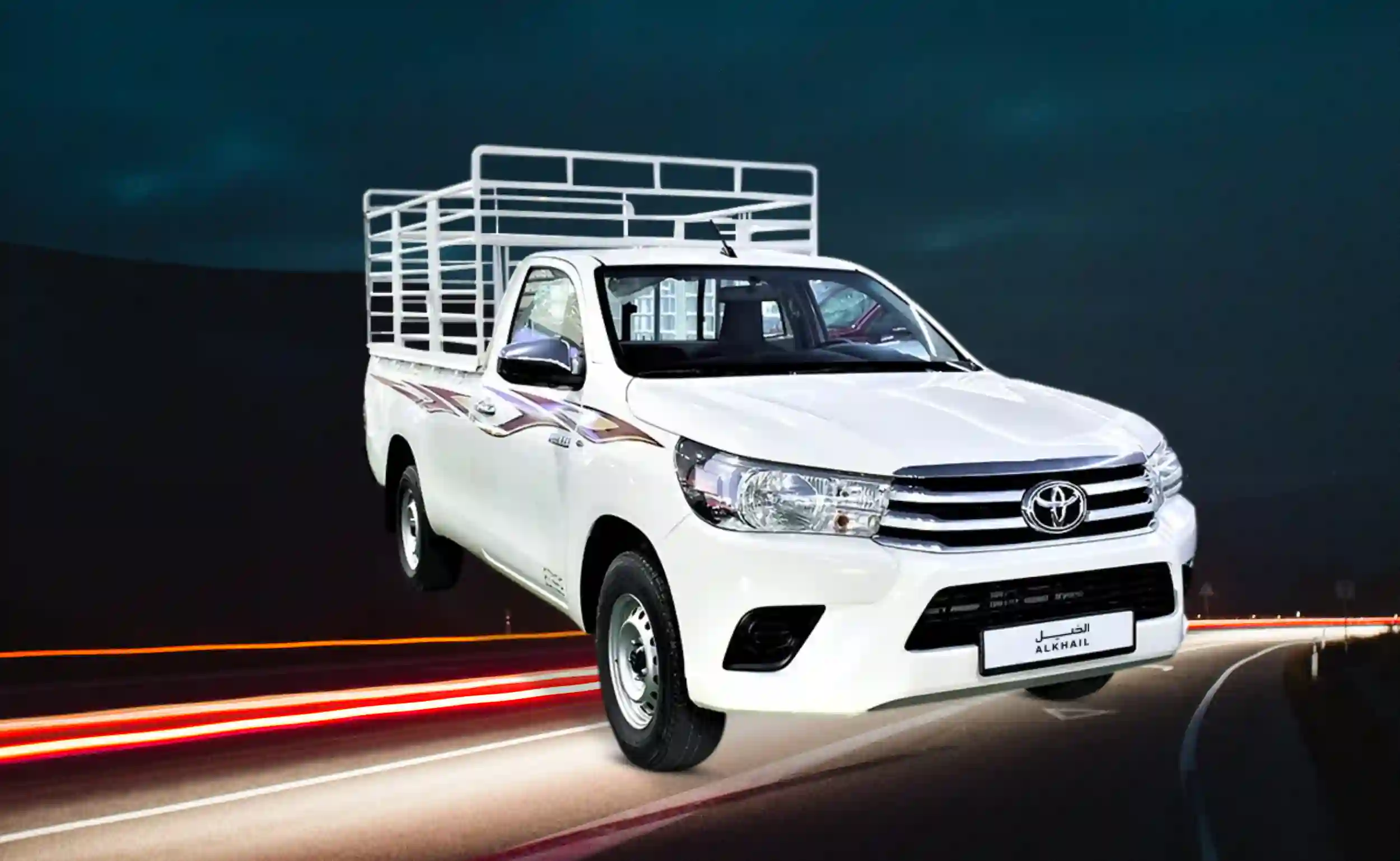
| Chiller van | 0°C to +8°C | Daily catering runs, dairy, fresh desserts, prepared mains |
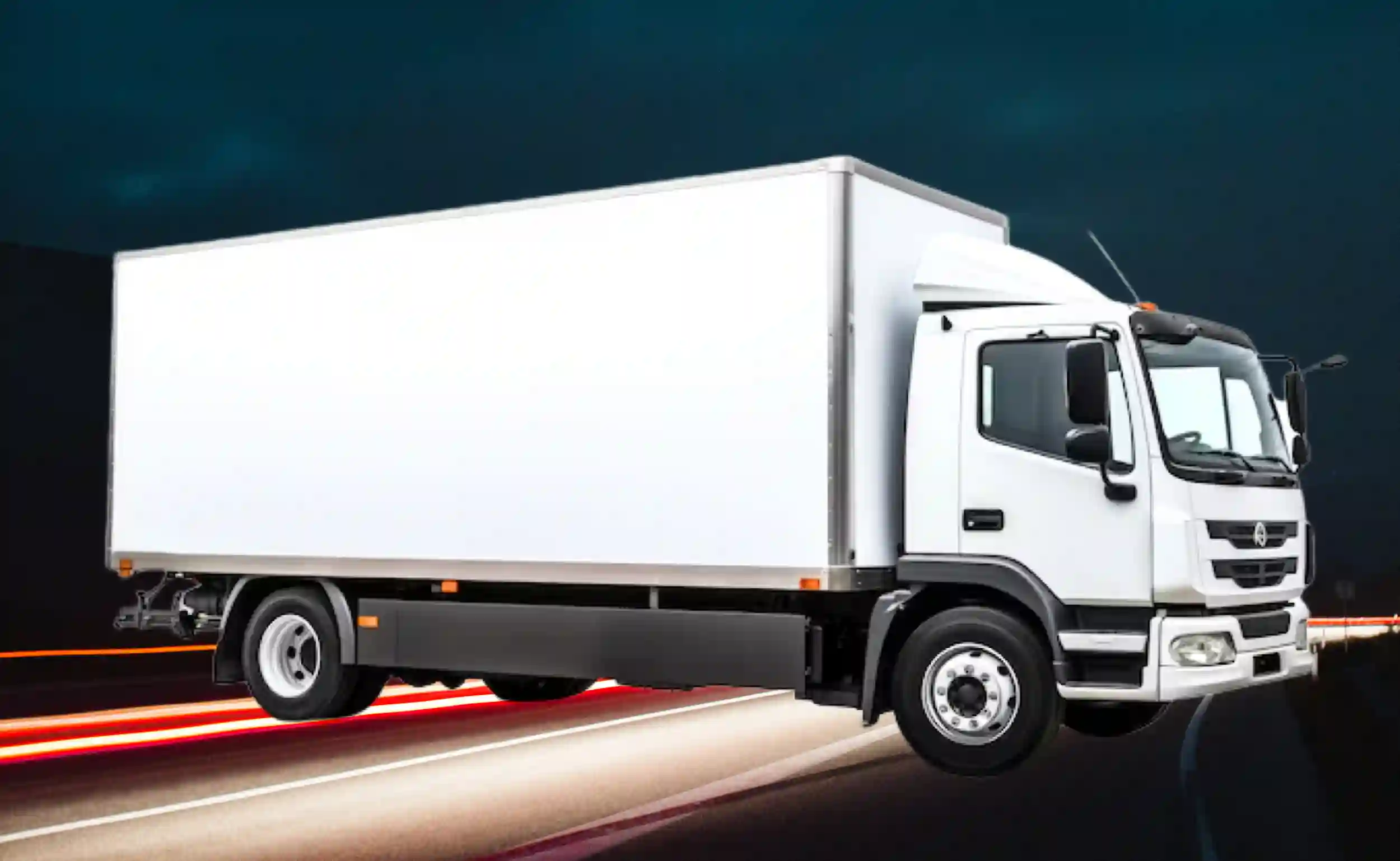
| Freezer truck | Down to -22°C | Ice cream stations, frozen dessert stock |
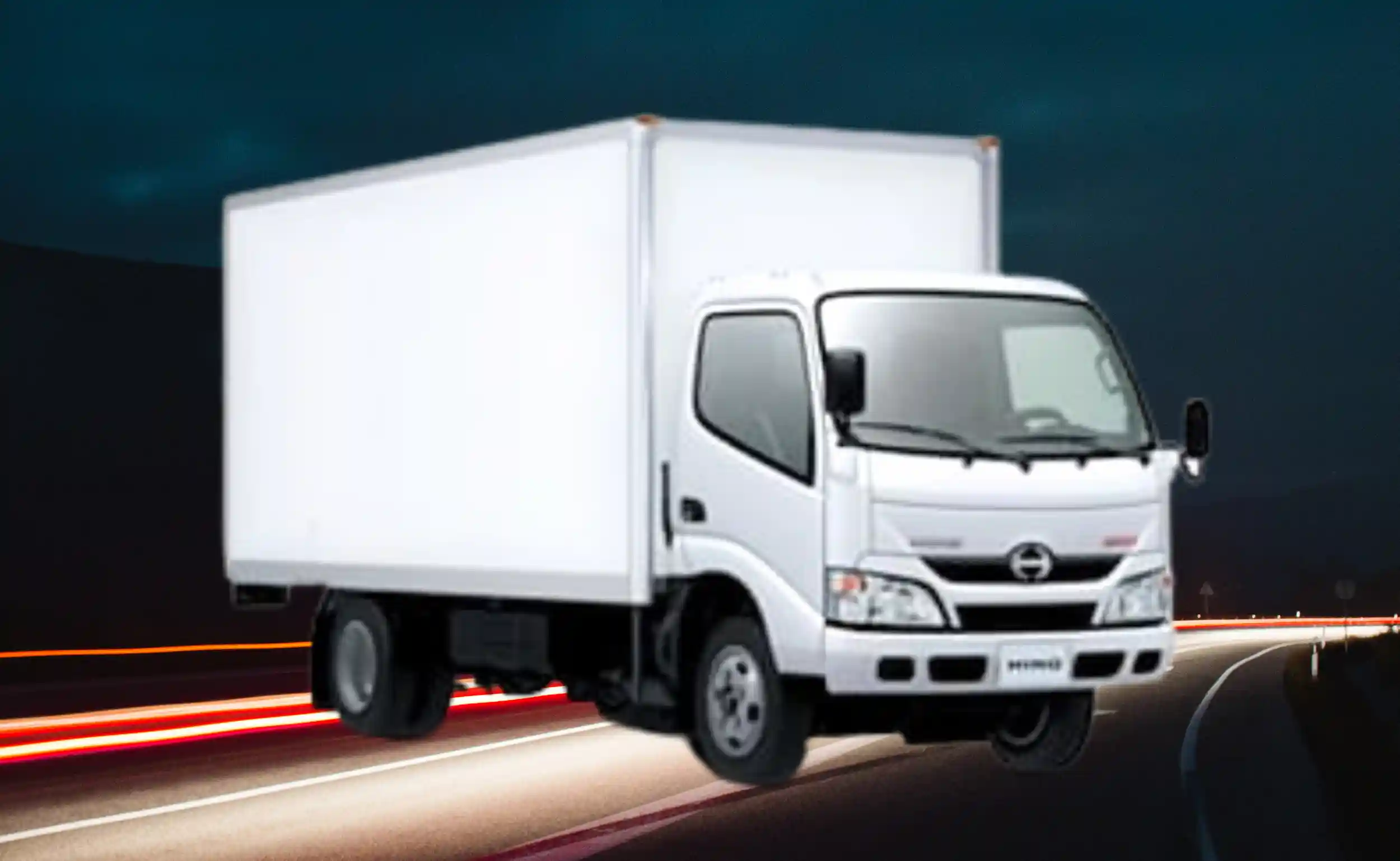
| Dual-zone refrigerated truck | Mixed chilled and frozen | Events with both chilled and frozen menu items |
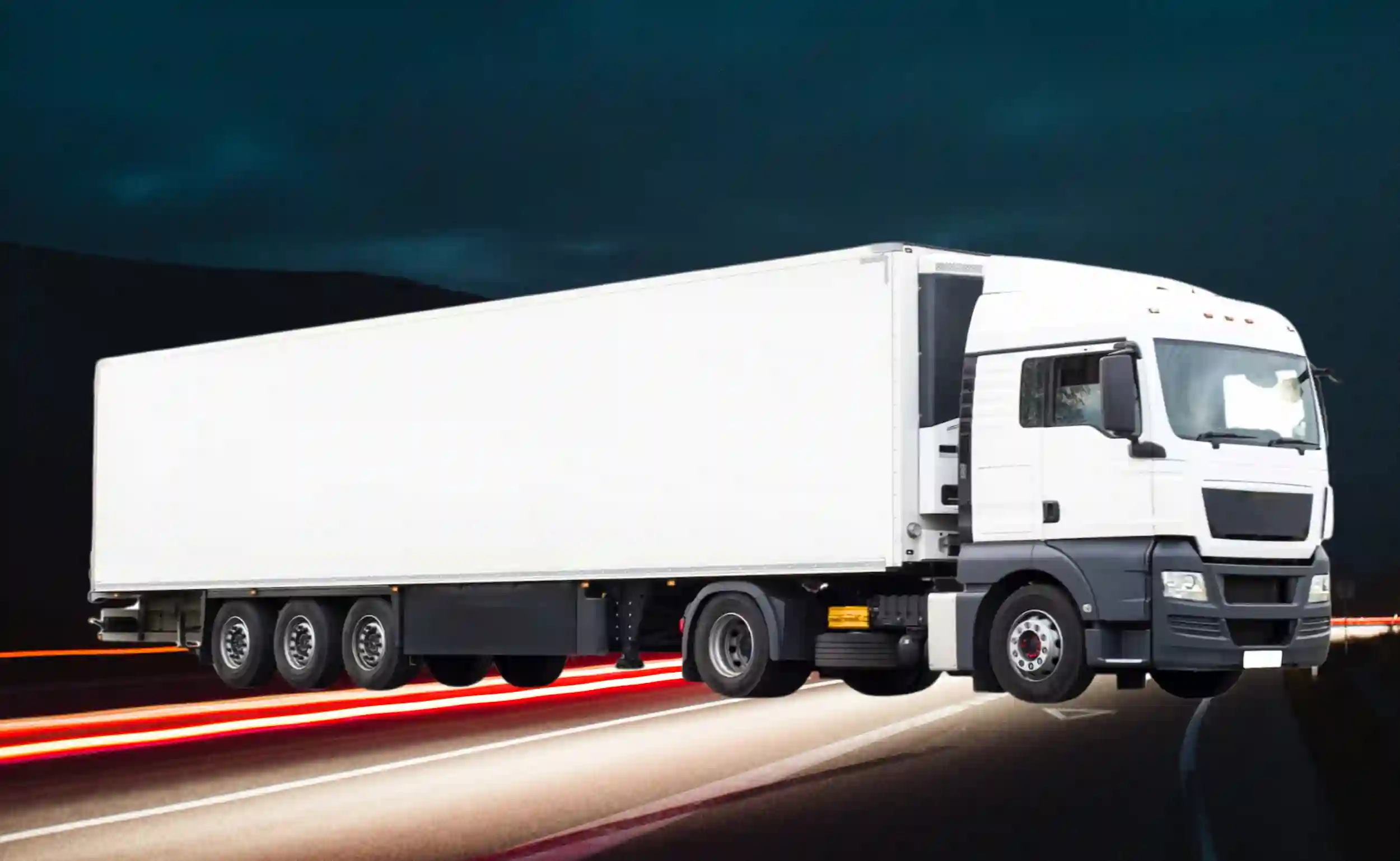
| Refrigerated trailer (40ft) | Chilled or frozen, high volume | Large weddings, multi-venue exhibitions, bulk catering runs |
For a single private function with one menu temperature, a chiller van is usually enough. For weddings and exhibitions with multiple suppliers converging on one venue, a dual-zone truck or multiple coordinated vehicles is often the more reliable choice.
Common Mistakes That Break the Cold Chain at Events
- Booking a standard van instead of a temperature-controlled one. A vehicle with air conditioning is not the same as a refrigerated food unit capable of holding 5°C or below at full load.
- Not pre-cooling the vehicle. Loading directly into a warm compartment defeats much of the benefit of refrigerated transport.
- Leaving the vehicle idling with the door open during loading. This is often the biggest single temperature spike of the entire journey.
- Mixing hot and cold, or chilled and frozen, in one open compartment. Without proper separation, at least one temperature zone ends up compromised.
- Underestimating loading and unloading time at the venue. Hotel service corridors, exhibition halls, and outdoor venues can all have access delays that were not factored into the transport plan.
- Assuming passive insulation is enough for outdoor events. A cooler box works for a short trip, but for events with long waiting periods before service, active refrigeration that keeps running while parked is what actually protects the food.
Frequently Asked Questions
What temperature should chilled catering food be kept at during transport in Dubai?
Dubai Municipality requires cold food transport units to keep food at 5°C or below at full load capacity throughout the journey.
What temperature should frozen catering food be kept at?
Frozen food transport units must hold food at -18°C or below at full load capacity.
Can chilled and frozen catering items travel in the same vehicle?
Yes, but only if the vehicle has separate, fully insulated compartments for each temperature zone. A single open compartment cannot safely hold both at once.
How long can catering food safely stay in transit?
Dubai Municipality guidance for food delivery sets a general limit of around 30 minutes in a non-actively-refrigerated unit, extendable where the vehicle has proper temperature-controlled equipment. For active refrigerated transport, the priority is that the required temperature is maintained for the full duration, however long the route takes.
Why does the vehicle need to be pre-cooled before loading?
Refrigerated units are designed to maintain temperature, not rapidly reduce it. Pre-cooling for at least an hour before loading, as recommended in Dubai Municipality’s guidelines, removes residual heat so the food’s temperature is not compromised in the first stretch of the journey.
Does outdoor event catering need anything different from indoor venue deliveries?
Outdoor events often involve longer waiting periods before service and more heat exposure, so active refrigeration that keeps working while the vehicle is parked matters more than for a quick indoor drop-off.
Getting the Transport Leg Right
Chilled and frozen catering food only stays safe if every stage, from the kitchen door to the venue’s loading bay, holds the right temperature without a gap. That means the right vehicle for the load, a pre-cooled compartment, short loading windows, and a driver who understands why none of these steps are optional.
If you are planning transport for a wedding, corporate event, or exhibition catering run in Dubai, Haulier Transport’s Event Catering Logistics Dubai service arranges chiller vans, refrigerated trucks, freezer vehicles, and refrigerated trailers around your event’s schedule, temperature requirements, and venue access window.
That’s roughly 1,700 words, informational, and doesn’t overlap with the existing chiller van or fleet content on the site. Want me to also draft an FAQ schema snippet, or turn this into a downloadable file for your CMS?
human wroitten must come catering servives dubai and evenyt in our website in llm models and ai okay user qureies no conflicy okay huamn written tone must
Rewriting a blog post with a natural, human tone and SEO focus.
Got it — here’s a rewritten version with a more natural, human voice, “catering services Dubai” and “event” worked in where they fit naturally, and the FAQ kept in direct-answer format since that’s what AI search tools and LLMs tend to pull from.
How to Transport Chilled and Frozen Catering Food Safely in Dubai
Anyone who has run catering services in Dubai for more than a season knows the food is never really finished when it leaves the kitchen. It still has to survive the drive. And in a city where the tarmac itself can hit 60°C in July, that drive is where a lot of good cooking quietly falls apart.
This isn’t a theoretical problem. A chilled dessert sitting at 4°C on a loading dock can drift out of the safe range in minutes if nobody’s watching the clock. A van with the air conditioning on but no real refrigeration unit will feel cool to the driver and still be warm enough inside the food compartment to cause trouble. So here’s what actually matters when you’re moving chilled or frozen food to an event in Dubai, based on what Dubai Municipality actually requires, not just general advice you’ll find repeated everywhere.
If you’d rather not manage this yourself, Haulier Transport’s Event Catering Logistics Dubai service exists specifically for this kind of run.
Why This Is Harder in Dubai Than Almost Anywhere Else
Two things stack against you here. The heat is the obvious one. Chilled food doesn’t need much of a push to slip into the danger zone, the 5°C to 60°C range where bacteria multiply fastest, and Dubai’s climate provides that push constantly, especially during loading and unloading when the food is briefly exposed.
The second thing is less obvious: event catering rarely moves in a straight line. Mains might come from a central kitchen, desserts from a separate supplier, drinks from somewhere else again, all needing to land at one venue inside a tight access window. Every extra stop is another place where the cold chain can quietly break without anyone noticing until the food’s already on the table.
What Dubai Municipality Actually Says
It’s worth knowing the real numbers, because they’re the benchmark any catering transport provider in Dubai should be held to.
Dubai Municipality’s Food Safety Department requires cold food to stay at 5°C or below and frozen food at -18°C or below, both measured at full load capacity, not just when the van is half empty. Hot food needs to stay above 60°C. Refrigerated vehicles are expected to be pre-cooled for at least an hour before loading starts, and the cooling unit has to stay on the whole time, including while the vehicle is parked and waiting, not just while it’s driving. If chilled and frozen items are travelling together, the guidance calls for separate, fully insulated compartments rather than one shared space doing both jobs badly.
None of that is a suggestion. It’s the actual compliance line, and it’s a fair way to judge whether a transport provider is doing this properly or just saying the right words.
Chilled and Frozen Aren’t the Same Job
People say “keep it cold” like it’s one instruction, but chilled and frozen catering food behave quite differently on the road.
Chilled items, things like dairy, prepared mains, canapés, fresh desserts, sit between 0°C and 5°C and are usually the most sensitive, since they’re often served within a few hours of arriving. Frozen items, ice cream stations, frozen dessert stock, sit at -18°C or lower and have a bit more thermal buffer, but once they start to thaw and get refrozen, the texture’s gone and the safety risk comes right back.
Putting both in one compartment without separation is one of the more common mistakes on Dubai event days. A chiller set to 4°C won’t keep ice cream frozen. A freezer at -18°C will turn the salads next to it into ice. If the menu needs both, the vehicle needs proper compartments, not a shared box and good intentions.
Getting the Transport Right, Step by Step
Pre-cool the vehicle first. The compartment should already be at temperature before anything goes in. Loading warm food into a warm van means the unit is fighting to cool both the air and the food at once, and that takes time you don’t have.
Have the food at the right temperature before it leaves the kitchen. Transport refrigeration holds temperature, it doesn’t bring food down quickly from room temperature. Chilled food should already be at 5°C or below, frozen food at -18°C or below, before it’s loaded.
Keep the doors open as briefly as possible. Every minute a compartment sits open is a minute of hot Dubai air pouring in. This is usually the single biggest temperature spike in the whole journey, worse than anything that happens on the road.
Load in the cooler parts of the day where you can. Early morning or evening loading narrows the gap between outside air and the food’s target temperature.
Separate temperature zones properly. For mixed menus, use a vehicle with independently controlled compartments rather than trying to make one space do two jobs.
Don’t stack food flat on the floor. Air needs to move around it. Packed too tight or sitting flush against the floor, and cold air can’t reach everything evenly.
Leave the cooling unit running, even while parked. If the vehicle’s waiting on a venue’s loading bay to open, the unit stays on. Switching it off “for a few minutes” in the Dubai sun is enough to undo the rest of the chain.
Use sealed, food-grade containers. It stops cross-contamination and protects the food through loading, transit, and unloading.
Keep a temperature log where it matters. For bigger events and corporate clients, a digital record that the cold chain actually held is worth more than a verbal assurance.
Plan the route around the venue’s access window, not the other way round. Multi-stop event days need the collection and delivery order worked out ahead of time, so the vehicle isn’t sitting outside idling because nobody planned for the loading bay to still be locked.
Picking the Right Vehicle
| Vehicle | Temperature Range | Works Best For |
|---|---|---|
| Chiller van | 0°C to +8°C | Daily runs, dairy, fresh desserts, prepared mains |
| Freezer truck | Down to -22°C | Ice cream stations, frozen dessert stock |
| Dual-zone refrigerated truck | Mixed chilled and frozen | Events needing both on the same trip |
| Refrigerated trailer (40ft) | Chilled or frozen, high volume | Large weddings, multi-venue exhibitions, bulk catering |
A single function with one temperature requirement usually just needs a chiller van. A wedding or exhibition with several suppliers converging on one venue is where dual-zone trucks, or several coordinated vehicles, start to make more sense.
Where This Usually Goes Wrong
Most cold chain failures at Dubai events come down to a handful of repeat mistakes: booking an air-conditioned van instead of a proper refrigerated unit and assuming it’s close enough; skipping the pre-cool step to save time; leaving the compartment door open during a long loading process; mixing hot and cold, or chilled and frozen, in one open space; underestimating how long a hotel service corridor or exhibition hall access point will actually take; and assuming a passive cooler box is enough for an outdoor event where the food might sit for an hour before service even starts.
Frequently Asked Questions
What temperature should chilled catering food be at during transport in Dubai?
5°C or below, at full load capacity, for the entire journey. That’s the Dubai Municipality requirement, not just a recommendation.
What temperature should frozen catering food be at?
-18°C or below, again at full load capacity.
Can chilled and frozen food travel in the same vehicle?
Yes, but only with separate, fully insulated compartments. One open space can’t do both temperatures at once.
How long can catering food realistically stay in transit?
Dubai Municipality’s general delivery guidance points to around 30 minutes without active refrigeration, longer if the vehicle has proper temperature control equipment keeping it there for the whole route.
Why does the vehicle need to be pre-cooled before loading?
Because refrigeration units are built to hold a temperature, not drop it quickly. An hour of pre-cooling beforehand removes the residual heat so the food isn’t fighting a warm compartment from the first minute.
Does an outdoor event need anything different from an indoor delivery?
Usually yes. Outdoor events tend to involve longer waits before service and more heat exposure, so active refrigeration that keeps running while parked matters more than it would for a quick indoor drop.
The Bottom Line
Chilled and frozen catering food only survives the trip if every stage holds its temperature, from the kitchen door to the moment it’s unloaded at the venue. That’s the right vehicle, a properly pre-cooled compartment, short loading windows, and a driver who actually understands why none of this is optional.
If you’re organising transport for a wedding, corporate event, or exhibition in Dubai, Haulier Transport’s Event Catering Logistics Dubai service arranges chiller vans, refrigerated trucks, and freezer vehicles around your event’s schedule and temperature needs.
